
What Causes Paint to Bubble and Blister? Diagnosing Moisture Problems Behind Your Walls

Nikolle Bauder • February 9, 2026

Few things frustrate a Dallas-Fort Worth homeowner quite like noticing paint lifting away from the wall in small bubbles or ragged blisters that weren't there a month ago. Your first instinct might be to blame the paint itself or the last painter's workmanship, but bubbling and blistering almost always point to something happening beneath the surface that no amount of repainting will fix on its own. Paint failure of this kind functions as your home's early warning system, signaling moisture intrusion, adhesion breakdown, or substrate problems that demand diagnosis before they demand dollars. After forty years of repainting and restoring homes across Plano, Frisco, Richardson, Allen, McKinney, and surrounding DFW communities, we've learned that understanding what's causing the damage matters far more than how quickly you can cover it up.


The Difference Between Bubbling and Blistering and Why It Matters

Homeowners tend to use the terms interchangeably, but to a professional painter, bubbles and blisters communicate different failure mechanisms that require different solutions. Bubbling typically presents as small, rounded pockets of air trapped between paint layers or between paint and the surface, and it often appears shortly after application when solvents or moisture become trapped beneath a film that has skinned over too quickly. Blistering, by contrast, tends to develop weeks, months, or even years after painting and involves the paint film losing adhesion from the substrate in irregular, often larger patches that may contain moisture or dry air when punctured. The diagnostic distinction matters because bubbles that appear during or immediately after painting usually point to application errors — painting in direct sunlight on a hot Texas afternoon, applying paint over a damp surface, or coating over uncured primer — while blisters that develop long after the paint has cured almost always indicate an ongoing moisture source that's actively undermining the bond between your paint and the wall behind it.


Moisture Migration: The Hidden Culprit Most Homeowners Miss

The most common and most serious cause of paint blistering in North Texas homes is moisture moving through wall assemblies from the interior or exterior and accumulating behind the paint film where it disrupts adhesion. Paint creates a semi-permeable membrane on your wall surface, and when moisture vapor pressure on one side of that membrane exceeds the other, water molecules push through drywall, wood, or masonry and collect at the paint boundary. On exterior walls, rain-driven moisture that penetrates compromised caulking around windows, deteriorated mortar joints in brick facades, or cracked stucco finds its way into the wall cavity and eventually reaches the painted interior surface. On interior walls, high humidity from bathrooms, kitchens, and laundry rooms migrates through drywall and condenses behind paint — particularly on exterior-facing walls where temperature differentials between conditioned indoor air and hot Texas summers create ideal condensation conditions. What makes this so insidious is that the moisture source can be surprisingly far from where the blistering appears. Water entering through a second-floor window seal can travel along framing members and show up as blistered paint on a first-floor wall, sending homeowners on a frustrating diagnostic chase.


How the Dallas-Fort Worth Climate Accelerates Paint Failure

North Texas creates a particularly aggressive environment for moisture-related paint failure. Summer surface temperatures on south- and west-facing exterior walls routinely exceed 150 degrees, driving moisture in substrate materials outward through the paint film with tremendous vapor pressure. When afternoon thunderstorms follow hours of intense heating, the rapid temperature drop causes that migrating moisture to condense within the wall assembly, creating expansion and contraction cycles that repeatedly stress the paint-to-substrate bond. The clay-heavy soils prevalent throughout Collin and Denton counties add another layer of complexity. These expansive soils swell during wet periods and shrink during drought, causing foundation movement that cracks drywall and exterior cladding in ways that create new moisture entry points. A hairline crack in your exterior stucco or mortar that appeared during last summer's foundation shift may be invisible from the street but is actively channeling rainwater into your wall cavity every time it storms.


Interior Moisture Sources You Might Be Overlooking

Not all blistering originates from outside the home. A family of four produces roughly two to three gallons of water vapor daily through breathing, cooking, bathing, and normal activities, and that moisture has to go somewhere. Homes with inadequate bathroom exhaust ventilation — particularly common in older Plano and Richardson ranch-style homes where original fans have weakened — allow shower steam to saturate drywall repeatedly, degrading the gypsum core and destroying paint adhesion from behind. Dryer vents that have become partially disconnected inside wall cavities pump enormous volumes of hot, humid air directly into framing assemblies where moisture condenses against cooler exterior sheathing. Plumbing leaks represent another frequent offender, and they don't have to be dramatic. A slow weep from a supply line connection inside a wall can saturate surrounding drywall for months before producing visible blistering, by which point the moisture has often promoted mold growth that adds remediation costs to an already expensive repair.


Why Repainting Over Blisters Without Diagnosis Always Fails

The most expensive mistake homeowners make when facing blistered paint is scraping, patching, and repainting without identifying the underlying moisture source. We've seen DFW homes where previous painters had repainted blistered areas three or four times, adding layer upon layer over a problem that kept returning because nobody addressed why the moisture was there. Each repaint cycle makes the eventual repair more complicated — multiple thick paint layers trap more moisture, create heavier film weight pulling against weakened adhesion, and make it harder to achieve a stable bond when proper repair finally happens. The correct approach involves sequential steps. First, identify the moisture source through careful inspection — checking exterior caulking, probing for plumbing leaks, evaluating ventilation, and sometimes using a moisture meter to map wall saturation. Second, eliminate the source. Third, allow the affected substrate to dry completely, which in Texas humidity can take days to weeks. Only after the wall returns to normal moisture content — below fifteen percent for drywall, below nineteen percent for wood — should any paint system be applied.


The Primer Step That Prevents Recurrence

Once the moisture source is corrected and the substrate has dried, proper priming becomes the critical bridge between repair and a lasting finish. Standard latex primers work adequately over dry, stable surfaces, but walls that have experienced moisture damage benefit from specialized products. Alkali-resistant primers protect against efflorescence — the crystalline mineral deposits that leach to masonry surfaces when moisture evaporates — which destroys paint adhesion on brick and stucco exteriors common throughout DFW. For interior walls where drywall has been damaged by saturation, a high-adhesion bonding primer creates a mechanical grip compensating for weakened paper facing on moisture-damaged gypsum board. PVA primers — the inexpensive drywall primers many contractors default to — should never be used over moisture-damaged surfaces because they lack the adhesion strength and moisture tolerance to prevent recurrence. This primer selection might seem like an obscure detail, but in our experience it represents the single decision that most often determines whether a blister repair lasts a decade or fails again within a year.


When Blistering Signals a Problem Bigger Than Paint

Certain patterns of blistering should prompt homeowners to investigate issues requiring specialists beyond a painting contractor. Blistering concentrated around window and door frames on exterior walls often indicates flashing failure — the metal or membrane barriers behind siding that direct water away from framing have corroded or shifted and are allowing bulk water into the wall. Widespread blistering on multiple interior walls throughout the home may indicate that your HVAC system is creating negative pressure drawing humid outdoor air through the building envelope, or that attic insulation and vapor barriers have deteriorated enough for condensation to form inside wall cavities systemically. Blistering accompanied by musty smell, discoloration beyond the paint surface, or soft spots when drywall is pressed demands immediate professional assessment because these symptoms suggest mold colonization posing health risks that require proper remediation before any painting can begin.


Protecting Your Investment Starts With Honest Diagnosis

Paint blistering and bubbling aren't cosmetic inconveniences to paint over and forget — they're your home telling you something important about moisture, adhesion, or substrate integrity that deserves a thorough, honest answer. The cheapest repaint in the world becomes the most expensive when it fails six months later because nobody took the time to figure out why the last one failed. That diagnostic commitment is what separates a quality painting contractor from one who simply covers problems and moves on.


At Hutch'N'Son Painting, we approach every blistering and paint failure concern with the investigative mindset that forty years of North Texas experience demands — because a beautiful, lasting paint job starts with understanding what's happening behind the surface, not just on top of it. Whether you're dealing with mysterious bubbles on a bathroom wall, peeling exterior paint that keeps returning, or simply want a professional evaluation before your next project, our team has the expertise to give you straight answers and lasting solutions. Reach out to Hutch'N'Son Painting today to schedule your free estimate and discover why homeowners across Plano, Frisco, Richardson, Allen, McKinney, and the greater DFW area have trusted us since 1985 to get it right the first time.

By Nikolle Bauder February 13, 2026
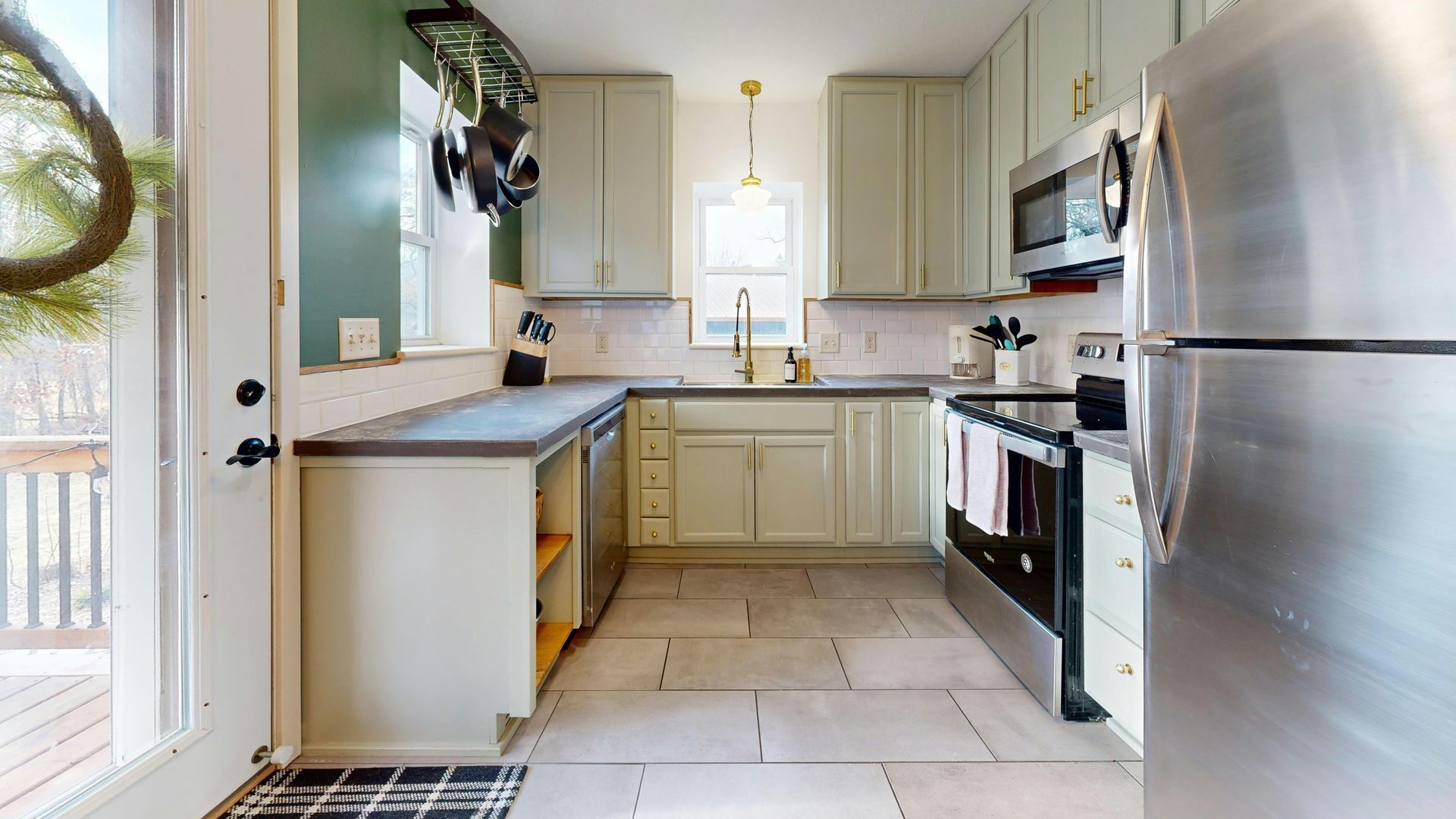
Your kitchen asks more of its paint than any other room in your home, and it's not particularly close. The walls behind your stove endure cooking grease that aerosolizes at temperatures exceeding 350 degrees and settles as a sticky film that bonds to paint surfaces at a molecular level. The backsplash area around your sink absorbs repeated water splashes carrying soap residue and food particles that test adhesion and stain resistance dozens of times daily. Even the walls flanking your cooktop face steam exposure that would cause paint in a bedroom to fail within months. Despite these punishing conditions, many Dallas-Fort Worth homeowners paint their kitchens with the same products they use in hallways and living rooms, then wonder why the finish behind the stove yellows, the paint around the sink peels at the edges, and the walls near the dishwasher develop a hazy, grimy film no amount of scrubbing fully removes. Choosing the right paint system for kitchen high-impact zones isn't about spending more — it's about spending differently, and understanding exactly what each area of your kitchen demands from the coating protecting it. Why Standard Interior Paint Fails in Kitchen Environments The failure mechanisms in kitchens differ fundamentally from normal interior wear. Standard interior paints in flat or eggshell sheens use binder systems optimized for appearance rather than chemical and thermal resistance, and their relatively porous film structure absorbs airborne grease rather than allowing it to be wiped clean. Once cooking oils penetrate the paint film — which happens microscopically long before you notice visible discoloration — they oxidize and polymerize within the coating, creating a permanent yellowish tint that cannot be cleaned because the contamination exists inside the paint rather than on its surface. This grease penetration accelerates dramatically with heat, which is why yellowing concentrates on the wall directly behind your stove where radiant heat keeps the paint film permeable during cooking. Water exposure creates a different failure pattern, repeatedly swelling the paint film during splash events and contracting as it dries, gradually fracturing the binder matrix and creating micro-cracks that allow moisture to reach the drywall beneath. The Sheen Question: Why Semi-Gloss Isn't Always the Answer Conventional wisdom tells homeowners to use semi-gloss paint in kitchens because its harder film surface resists moisture and cleans more easily. This advice isn't wrong, but it oversimplifies a decision involving meaningful tradeoffs. Semi-gloss sheens reflect light aggressively, which in the tight quarters of most DFW kitchens — particularly galley layouts common in Plano's established neighborhoods and Richardson's mid-century ranch homes — amplifies every surface imperfection in the underlying drywall. Roller texture, joint compound ridges, and subtle undulations invisible under eggshell paint become glaringly obvious under semi-gloss because reflected light creates shadow patterns that telegraph imperfections. A more nuanced approach uses satin sheen as the baseline for general kitchen walls, reserving semi-gloss specifically for high-splash and high-heat zones directly behind the stove, sink, and adjacent to the dishwasher. This targeted strategy delivers maximum cleanability where the kitchen demands it while maintaining a softer appearance on broader wall surfaces facing normal conditions. What Actually Matters in Kitchen Paint Chemistry Beyond sheen, the resin system inside the paint determines how well it resists the specific challenges kitchen walls face, and this is where product selection creates the biggest performance differences homeowners rarely consider. Acrylic latex paints dominate the interior market, but within that broad category exists enormous variation in binder quality and formulation. Premium kitchen-rated paints — products like Sherwin-Williams Emerald, Benjamin Moore Aura, or PPG Diamond — use one-hundred-percent acrylic binder systems with higher resin-to-pigment ratios that create denser, less porous films resisting grease penetration far more effectively than standard formulations using vinyl-acrylic or styrene-acrylic blends. The higher resin content also produces better cross-linking during curing, meaning the dried paint film achieves a harder, more chemically resistant surface that withstands the alkaline cleaning solutions homeowners inevitably use when scrubbing cooking splatter from kitchen walls. Alkyd-modified acrylic paints represent another compelling option specifically for behind-stove applications where heat resistance matters most. These hybrid formulations blend the easy cleanup and low-VOC advantages of water-based paint with the harder, smoother film properties traditionally associated with oil-based coatings, creating a surface that resists grease absorption and yellowing significantly better than pure acrylic alternatives when subjected to sustained heat exposure from cooking. The Behind-the-Stove Zone Deserves Special Treatment The twelve-to-eighteen-inch band of wall directly above and behind a range experiences conditions dramatically more severe than the rest of the kitchen. This zone absorbs radiant heat from burners and oven vents, catches direct grease splatter from pan-frying, and endures steam that condenses and runs downward carrying dissolved grease and food residue. For homes without a tile backsplash behind the stove — surprisingly common in older DFW homes and builder-grade kitchens throughout Collin County — the paint system needs to function almost as a washable surface material. We recommend a dedicated high-adhesion primer followed by two full coats of semi-gloss alkyd-modified acrylic in this area, creating a system dense and hard enough to withstand weekly degreasing without softening, dulling, or losing adhesion. The primer matters particularly here because repeated thermal cycling — heating during cooking, cooling afterward — creates expansion stress that will delaminate finish coats applied over inadequate primer within a year or two. Sink and Dishwasher Zones: Where Water Wins the Long Game The areas immediately flanking your kitchen sink and adjacent to your dishwasher face a different primary adversary — persistent water exposure attacking paint through moisture cycling fatigue. Every splash, every cloud of steam from draining pasta, every burst of humidity when the dishwasher door opens mid-cycle subjects the paint film to rapid moisture absorption followed by evaporative drying that incrementally weakens the binder network. Over months of daily exposure, this cycling creates microscopic failures that eventually manifest as peeling, bubbling, or chalky deterioration. Mildew represents an additional threat in sink zones, as persistent dampness combined with organic food residue creates ideal colonization conditions, particularly in caulk lines where countertops meet walls. Paint products containing built-in mildewcide additives provide meaningful protection, and using your range hood during cooking and dishwashing dramatically reduces the moisture load your kitchen paint must manage. Homeowners often overlook the wall area below the countertop edge near the sink, but this hidden zone catches dripping water and spray runoff that pools unnoticed, making it one of the most common locations for early paint failure in DFW kitchens. Surface Preparation Matters More in Kitchens Than Anywhere Else Even the best kitchen-rated paint will fail prematurely if applied over improperly prepared surfaces, and kitchen prep requirements exceed standard interior painting significantly. Existing grease contamination must be completely removed — not merely wiped down but chemically degreased using TSP or a comparable agent that breaks the molecular bond between oxidized cooking oils and the existing paint surface. Painting over residual grease creates a release layer between coats that will cause your new paint to delaminate in sheets, a failure pattern we see regularly in DFW homes where previous painters cut corners on kitchen prep. Sanding after degreasing creates mechanical tooth for the new coating to grip, especially critical on the smooth, grease-polished surfaces that develop around stoves over years of cooking. Any areas where existing paint has softened or lost adhesion need to be scraped to stable material and primed with a high-adhesion product before finish coats, because covering compromised paint simply transfers the failure point upward into your new coating. Maintaining Your Kitchen Paint Investment Between Repaints How you care for your kitchen walls after painting significantly extends the interval between repaints. Wiping the wall behind your stove with a damp cloth after heavy cooking — before grease oxidizes and bonds to the paint film — removes contamination while it's still easy to lift rather than waiting until it becomes permanent. Using your range hood exhaust fan during every cooking session, not just when something is smoking, removes airborne grease and moisture before they settle on wall surfaces. Addressing water splashes around the sink promptly rather than allowing them to air-dry prevents mineral deposit buildup and reduces the cumulative moisture cycling that fatigues paint films. Your Kitchen Deserves a Paint System That Works as Hard as You Do Kitchen painting isn't just about choosing a color that complements your cabinets and countertops — it's about engineering a coating system tailored to the specific thermal, chemical, and moisture demands each zone of your kitchen generates daily. The right product selection, targeted sheen strategy, and thorough surface preparation create a kitchen finish that cleans easily, resists yellowing and grease absorption, and maintains its appearance through years of real family cooking rather than failing within months. When you're ready to give your kitchen walls the professional treatment they deserve, Hutch'N'Son Painting brings over forty years of hands-on experience solving the exact challenges DFW kitchens create — from grease-battered stove walls in Plano ranch homes to steam-damaged sink zones in Frisco's newer construction. We select products and application strategies matched to your kitchen's specific conditions, because we know that getting the details right upfront saves you money, frustration, and the hassle of premature repainting down the road. Contact Hutch'N'Son Painting today to schedule your free estimate and let our team show you why homeowners across Richardson, Allen, McKinney, and the greater Dallas-Fort Worth area have trusted us since 1985 to deliver results that last.
By Nikolle Bauder February 2, 2026
Every painting project raises the same fundamental question homeowners across Dallas-Fort Worth wrestle with: how many coats of paint do the walls actually require? The answer matters more than most people realize, because applying too few coats wastes the money you spent on quality paint while applying unnecessary extra coats wastes time, increases costs, and can create problems like excessive film thickness that leads to cracking under North Texas temperature swings. After four decades of painting homes throughout Plano, Frisco, Richardson, Allen, McKinney, and the broader DFW area, we can tell you that the real answer depends on a specific combination of factors most homeowners never consider. Understanding what drives coat requirements empowers you to set realistic expectations for your project and recognize when cutting corners on coverage will cost more in the long run. Why "Two Coats" Became the Default Answer and When It Falls Short The painting industry has long operated on a two-coat standard, and for good reason. Two coats of quality paint over a properly primed surface deliver the film thickness manufacturers engineer their products to achieve, typically landing between four and five mils of dry film that provides both the color depth and the protective barrier your walls need. Paint manufacturers formulate their products assuming two-coat application, meaning the hiding pigments, binders, and additives work together optimally at that specific thickness. However, treating two coats as a universal rule ignores the reality that substrate condition, color transitions, paint quality, and environmental factors all influence whether two coats will actually deliver complete, uniform coverage. Some projects genuinely require only a single coat of paint, while others demand three or even a specialized multi-step system to achieve professional results. The key lies in understanding which variables push your specific project above or below that two-coat baseline. The Color Transition Factor Most Homeowners Underestimate The single biggest factor determining coat requirements is the relationship between your existing wall color and your new color choice. Painting a similar shade over an existing color — shifting from one neutral beige to another — often achieves beautiful results in two standard coats because the underlying color doesn't fight the new pigments. Dramatic color changes tell a completely different story. Moving from a deep navy or forest green to a pale cream creates a scenario where even premium paints struggle to fully obscure the old color in two passes, because lighter pigments inherently have less hiding power than darker ones. Conversely, deeply saturated reds, certain blues, and vivid yellows contain pigments that are naturally more transparent and build color density slowly across multiple applications. This is where tinted primer becomes essential rather than optional. A primer tinted to a midpoint between your old and new colors does the heavy lifting of color transition, allowing your finish coats to focus on delivering uniform color and sheen rather than battling the ghost of whatever shade previously lived on your walls. What Surface Condition Reveals About Your Coverage Needs The physical state of your walls plays an equally critical role, and this factor catches Dallas-Fort Worth homeowners off guard more often than color transitions. Drywall that has been patched, repaired, or skim-coated absorbs paint at different rates than the surrounding undisturbed surface, creating visible differences in sheen and color density that professionals call "flashing." These repaired areas essentially drink the first coat of paint, pulling binders and pigments into the porous joint compound while the adjacent painted surface sits relatively sealed. Without proper priming of repair areas — something we handle on every project — you'll see every patch telegraphing through your finish coats no matter how many you apply. Older homes throughout Plano's established neighborhoods and Richardson's mature subdivisions present additional challenges including chalky existing paint that compromises adhesion, textured surfaces requiring more paint volume to cover peaks and valleys, and previously glossy surfaces needing preparation before new paint will bond properly. Each of these conditions doesn't necessarily add a finish coat, but they absolutely add preparation steps that make those finish coats perform the way they should. How Paint Quality Directly Affects the Number of Coats Required Not all paints are created equal, and the performance gap between professional-grade and budget formulations becomes most apparent when measuring coverage. Premium paints achieve superior hiding power through higher concentrations of titanium dioxide combined with advanced binder technology that holds pigment particles in optimal orientation as the film dries. A professional-grade paint like Sherwin-Williams Duration or Benjamin Moore Aura can deliver coverage in two coats that a budget paint cannot match in three, making the per-gallon price difference largely irrelevant when you factor in additional labor and material costs. The resin systems in premium paints also create denser films that resist the fading and chalking North Texas UV exposure accelerates, meaning your two coats of quality paint will still look complete years from now rather than degrading into a patchy surface needing premature repainting. Interior Versus Exterior: Different Environments, Different Rules Interior and exterior painting operate under fundamentally different coverage principles. Interior walls in climate-controlled environments face relatively gentle wear — scuffs, cleaning, occasional moisture — and two coats of premium interior paint over properly prepared surfaces deliver excellent results for most rooms. Ceilings represent a notable exception, as their flat orientation combined with raking light from windows exposes every imperfection in coverage and demands careful, full two-coat application even when the color isn't changing. Exterior surfaces in Dallas-Fort Worth face an entirely different assault. Intense UV radiation, summer surface temperatures exceeding 150 degrees on south- and west-facing walls, dramatic temperature cycling, driving rain, and occasional hail all demand a paint system built for endurance. Exterior projects typically benefit from a dedicated primer coat followed by two full finish coats, particularly on bare wood, repaired stucco, or previously weathered surfaces. The additional coat isn't about color coverage — it's about building sufficient film thickness to protect your home from a relentless Texas climate that punishes thin or poorly applied paint systems. The One-Coat Question: Marketing Promise Versus Jobsite Reality Several paint manufacturers market "one-coat" or "paint-and-primer-in-one" products that promise to cut your project time in half. When you're refreshing walls with the same color, the existing surface is in good condition, and the paint is applied at the proper spread rate, these formulations can deliver acceptable results in a single application. The operative word is "acceptable." Even the best one-coat products produce a noticeably thinner dry film than a true two-coat system, and that thinner film translates to reduced durability, less color depth, and diminished protection against wear. For touch-up-resistant performance in high-traffic hallways, kid-friendly durability in family rooms, or moisture resistance in bathrooms, a proper two-coat system outperforms one-coat products every time. We recommend one-coat applications primarily for rental refreshes, pre-sale updates, and situations where clean appearance at minimal cost takes priority over long-term performance. Signs During Your Project That Another Coat Is Needed Even with careful planning, certain signals during the painting process indicate that an additional coat is necessary. If you can see the previous color bleeding through after the first coat has fully dried — not just when it's wet, since wet paint always looks thinner than it will once cured — the second coat needs to fully resolve that or a third becomes necessary. Inconsistent sheen across a wall, where some areas appear slightly glossier or flatter than others, typically indicates uneven absorption that another coat will equalize. Visible roller marks or lap lines after drying suggest application issues that a properly applied additional coat can correct. The critical detail is allowing each coat to dry completely before evaluating coverage. In the DFW area, interior paint typically reaches a reliable evaluation state within four to six hours under air-conditioned conditions. Judging coverage on wet paint leads to unnecessary anxiety and sometimes premature application of coats that haven't had the benefit of the previous coat fully curing. Investing in Proper Coverage Protects Your Entire Project The number of coats your home needs isn't a place to guess or cut corners, because inadequate coverage undermines every other investment in your painting project. A professional contractor evaluates your surfaces, color transition, substrate conditions, and environmental exposure to determine the right system rather than applying a blanket two-coat approach regardless of what the walls require. That tailored assessment separates a paint job that looks stunning on day one and still impresses years later from one that reveals its shortcuts within months. At Hutch'N'Son Painting, we've spent over forty years perfecting our approach to every painting challenge North Texas homes present, and getting coverage right is fundamental to the quality workmanship that's earned our A+ BBB rating and the trust of homeowners throughout Plano, Frisco, Richardson, Allen, McKinney, and beyond. We never cut corners on preparation, priming, or coat application because your home deserves a finish that performs as beautifully as it looks. Contact Hutch'N'Son Painting today to schedule your free estimate and let our experienced team evaluate your specific needs, recommend the right approach for lasting results, and show you why DFW homeowners have counted on us since 1985 to deliver painting excellence they can see and feel for years to come. 
By Nikolle Bauder January 29, 2026
Volatile organic compounds—commonly abbreviated as VOCs—represent a category of carbon-based chemicals that evaporate easily at room temperature, releasing gases that create the characteristic "paint smell" most Dallas homeowners recognize immediately upon opening a can of conventional paint. These airborne chemicals don't merely create unpleasant odors that temporarily inconvenience families during painting projects; they pose genuine health concerns ranging from headaches, dizziness, and respiratory irritation during short-term exposure to more serious long-term effects including liver and kidney damage when concentrated exposure continues over extended periods. Paint manufacturers traditionally relied on VOC-containing solvents to keep paint components properly suspended in liquid form, to control drying time, and to create the smooth, durable finishes that made oil-based paints the professional standard for decades. However, growing awareness of health impacts combined with environmental regulations addressing ground-level ozone formation have driven dramatic reformulation of paint products, creating today's low-VOC and zero-VOC alternatives that deliver professional performance without the toxic fumes that made traditional painting such an invasive home improvement project. Understanding VOC measurement helps Dallas homeowners make informed product selections, with paint labels displaying VOC content in grams per liter that indicate total volatile compound concentration. Federal regulations limit interior flat paints to 250 grams per liter and non-flat finishes to 380 grams per liter, but these maximum allowable levels still permit substantial chemical emissions that sensitive individuals find intolerable. California's stricter standards reducing limits to 50 grams per liter for flat finishes and 100-150 grams per liter for other sheens have influenced manufacturers nationwide, making truly low-VOC products widely available even in Texas where state regulations remain less stringent. Zero-VOC paints contain fewer than five grams per liter, representing the cleanest options available though even these products aren't completely emission-free once tinting colorants get added to base formulations. Low-VOC and Zero-VOC Paint Performance in Texas Climate Dallas-Fort Worth homeowners considering low-VOC or zero-VOC paints often worry these environmentally friendly formulations sacrifice durability, coverage, or finish quality compared to conventional high-VOC products, but modern reformulations have largely eliminated historical performance gaps that once made green alternatives inferior choices. Premium low-VOC paints from professional lines including Sherwin-Williams Harmony, Benjamin Moore Natura, and Behr Premium Plus now deliver coverage, adhesion, and longevity matching conventional paints while maintaining VOC levels below fifty grams per liter. The key distinction involves understanding that low-VOC doesn't automatically mean low-quality—budget low-VOC paints certainly exist and perform poorly, but premium low-VOC formulations achieve professional results without compromising indoor air quality during and after application. Texas's hot, humid climate actually favors low-VOC water-based paints over traditional oil-based alternatives, as modern acrylic latex formulations maintain flexibility through extreme temperature cycling better than oil-based paints that become brittle under thermal stress. The rapid evaporation occurring in North Texas's low-humidity periods helps water-based paints cure quickly, while high-VOC oil-based products struggle with prolonged drying times during humid summer periods when moisture slows solvent evaporation. Dallas homeowners gain dual benefits from low-VOC selections: healthier indoor air quality plus paint systems better suited to challenging local climate conditions that stress conventional formulations. Ventilation Strategies That Actually Work During Painting Proper ventilation during interior painting dramatically reduces VOC concentrations and odor intensity, yet many Dallas homeowners underestimate the aggressive air exchange required to meaningfully dilute paint fumes in occupied spaces. Simply cracking a window provides minimal benefit, as natural air movement rarely generates sufficient circulation to remove concentrated fumes from rooms being actively painted. Effective ventilation requires creating cross-flow using multiple windows on opposite walls combined with fans actively moving air through spaces, establishing pressure differentials that drive contaminated air outside while drawing fresh air into work areas. Box fans positioned in windows work excellently for this purpose, with inward-facing fans on windward walls bringing fresh air into rooms while outward-facing fans on opposite walls actively exhaust fume-laden air to exteriors. Texas summer heat complicates ventilation strategies since opening windows and running fans during painting compromises air conditioning effectiveness, potentially creating uncomfortable conditions in already-hot rooms where painting generates additional heat from lights and physical activity. Many Dallas homeowners find early morning or evening painting sessions allow adequate ventilation without excessive cooling costs, taking advantage of cooler outdoor temperatures when open windows and active air exchange don't immediately spike utility bills. Alternatively, accepting higher short-term cooling costs during painting days proves worthwhile for families with young children, elderly members, or anyone with respiratory sensitivities who benefit from maximum ventilation regardless of energy expense. HVAC systems present special considerations during interior painting, as running forced air while painting spreads fumes throughout entire homes rather than containing them to work areas. Most professional painters recommend shutting down HVAC systems during active painting and for several hours afterward, using localized ventilation to remove fumes from specific rooms before resuming whole-house air circulation. This approach prevents paint odors from infiltrating bedrooms, living areas, and other spaces distant from painting projects, avoiding the whole-house contamination that occurs when HVAC systems distribute fumes through ductwork to every room. Strategic Timing Reduces Exposure and Disruption Thoughtful project timing minimizes family exposure to paint fumes while accommodating Dallas-Fort Worth's climate patterns that affect both painting conditions and practical ventilation options. Scheduling interior painting during spring or fall when moderate outdoor temperatures allow extended window-opening without extreme heating or cooling costs creates ideal conditions for aggressive ventilation that rapidly clears fumes from living spaces. Many Plano and Frisco families plan painting projects to coincide with vacations or extended weekends away, allowing painters to complete work while homes remain unoccupied and then ventilate thoroughly before families return to spaces where fresh paint has already undergone initial curing releasing peak VOC emissions. Breaking large projects into smaller phases completed over multiple weekends rather than attempting whole-house painting in single marathon sessions reduces concentration of fumes while giving families respite between painting periods when spaces can ventilate and partially cure before additional work begins. This staged approach proves particularly valuable for families with infants, pregnant women, or individuals with chemical sensitivities who need extended recovery periods between exposure events. The inconvenience of prolonged projects often proves preferable to health impacts from concentrated fume exposure occurring when rushing completion of extensive painting during compressed timeframes. Temperature and humidity conditions during painting affect both VOC emission rates and paint curing, with warmer temperatures accelerating solvent evaporation that intensifies short-term fume concentrations while speeding the curing process that ultimately eliminates ongoing emissions. Dallas homeowners painting during cooler periods experience less intense immediate odors but face prolonged emission periods as paint takes longer to fully cure, creating extended low-level exposure rather than concentrated short-term fume events. Product Selection Makes the Biggest Difference Choosing appropriate paint products represents the single most impactful decision Dallas homeowners make regarding VOC exposure, with differences between conventional and premium low-VOC formulations dramatically affecting indoor air quality during and after painting. Reading product labels carefully reveals actual VOC content rather than relying on vague marketing terms like "low odor" that may describe masking fragrances hiding chemical smells without actually reducing harmful emissions. Products certified by Green Seal or meeting stringent California standards provide reliable third-party verification of low-VOC claims, protecting consumers from greenwashing by manufacturers making environmental claims without substantive reformulation. Tinting adds complexity to VOC calculations, as colorants mixed into paint base increase total volatile compound content beyond base formulation levels listed on cans. Zero-VOC base paints may exceed five grams per liter limits after tinting, particularly when adding deep or saturated colors requiring substantial colorant volumes. Asking paint retailers about post-tinting VOC levels for specific colors helps Dallas homeowners understand actual emissions their projects will generate, avoiding surprises when zero-VOC labeled products emit more fumes than expected after color addition. Some manufacturers now offer zero-VOC colorant systems maintaining ultra-low emission levels even in deeply saturated hues, though these specialized products command premium prices and limited color selection compared to conventional tinting. Natural paint alternatives including milk paint, clay-based paints, and mineral paints appeal to homeowners seeking truly non-toxic options, though these specialty products require different application techniques and deliver aesthetic results differing from conventional latex finishes. The learning curve and premium pricing associated with natural paints limit their practical appeal for most Dallas homeowners, though they provide legitimate options for individuals with severe chemical sensitivities requiring complete VOC elimination. Room Preparation Minimizes Contamination Spread Proper preparation before painting begins contains fumes within work areas rather than allowing contamination to spread throughout Dallas homes, protecting living spaces from unnecessary exposure. Sealing doorways with plastic sheeting and painter's tape creates barriers preventing air movement from work areas into adjacent rooms, particularly important when HVAC systems remain operational and would otherwise distribute fumes through forced air circulation. Removing or carefully covering furnishings, carpets, and fabric items eliminates porous materials that absorb paint odors and continue off-gassing long after painting concludes, a particular concern with conventional high-VOC products that saturate absorbent materials during application. Emptying closets and removing stored items from rooms being painted prevents clothing, linens, and personal belongings from absorbing chemical odors requiring extensive laundering or airing to eliminate persistent paint smell. Many Dallas families underestimate how readily fabrics absorb VOCs during painting, discovering weeks later that clothing stored in painted rooms retains chemical odors making garments unwearable without professional cleaning. The effort required to properly protect or remove absorbent items before painting proves far less burdensome than dealing with contaminated possessions after projects conclude. Pre-painting surface preparation including spackling, sanding, and priming generates dust and additional chemical exposure beyond paint application itself, with primers often containing higher VOC levels than finish coats. Using low-VOC primers and conducting preparation work with maximum ventilation reduces cumulative exposure from multi-step painting processes where multiple product applications compound total chemical release. Post-Painting Practices Accelerate VOC Clearing Aggressive ventilation for forty-eight to seventy-two hours following paint application dramatically reduces residual VOC concentrations and odor intensity, though many Dallas homeowners prematurely close windows and resume normal HVAC operation before adequate clearing occurs. Extended air exchange using fans and open windows continues removing off-gassing chemicals as paint cures, with emission rates highest during initial hours after application but continuing at reduced levels for days or weeks depending on product formulation and environmental conditions. Temperature control affects clearing rates, as warmer conditions accelerate both paint curing and VOC evaporation, suggesting that tolerating somewhat elevated indoor temperatures during initial post-painting periods may actually speed the emission and clearance process despite temporary discomfort. Activated charcoal air purifiers and HEPA filtration systems help remove airborne VOCs and paint particles from indoor air, though these devices supplement rather than replace proper ventilation that remains the most effective clearing method. Plants including spider plants, peace lilies, and snake plants demonstrate some VOC absorption capacity in laboratory testing, though realistic residential planting densities provide minimal practical benefit compared to mechanical ventilation. Baking soda bowls, vinegar dishes, and other folk remedies popular among Dallas homeowners offer psychological comfort but limited actual VOC reduction, with proper air exchange remaining the scientifically supported clearing method. Special Considerations for Sensitive Populations Pregnant women, infants, young children, elderly individuals, and anyone with respiratory conditions including asthma require extra precautions during painting projects, as these vulnerable populations face heightened health risks from VOC exposure that healthy adults tolerate with minimal effects. Medical guidance generally recommends pregnant women avoid painting areas entirely during application and initial curing periods, with extended absence from work areas minimizing fetal exposure to chemicals that may affect development. Young children's rapid breathing rates and developing systems make them particularly vulnerable to respiratory irritants, warranting temporary relocation during painting projects when possible or strict containment and ventilation protocols when families must remain in homes during work. Dallas families with asthmatic members should consult healthcare providers before undertaking interior painting, as even low-VOC products may trigger respiratory responses in sensitive individuals. Some families find that professional painters working during weekday absences while children attend school and adults work provides practical compromise allowing thorough ventilation before family members return, though weekend projects require extra vigilance about exposure prevention and aggressive odor clearing. Professional Painters Using Low-VOC Products Hiring professional painting contractors experienced with low-VOC and zero-VOC products ensures proper application techniques that maximize these formulations' performance while minimizing health impacts for both workers and occupants. Professional painters working daily with various paint products develop sensitivity to formulations that perform well versus those creating application challenges, steering Dallas homeowners toward proven low-VOC products that deliver professional results. Contractors equipped with proper ventilation equipment including negative air machines and exhaust systems create safer working conditions while containing fumes more effectively than DIY painters typically achieve with basic fans and open windows. Discussing VOC concerns during contractor selection conversations reveals professionals' knowledge about product options and willingness to accommodate health-conscious homeowners' preferences, distinguishing contractors viewing low-VOC requests as legitimate priorities versus those dismissing environmental concerns as unnecessary complications. Quality contractors understand that superior indoor air quality during and after painting represents genuine value they deliver to Dallas families, not merely extra cost without corresponding benefit. Create Healthier Spaces with Expert Low-VOC Painting Minimizing paint odor and VOC exposure in your Dallas-Fort Worth home requires informed product selection, strategic project timing, aggressive ventilation, and proper application techniques that protect your family's health while achieving beautiful, durable results. At Hutch'N'Son Painting, we've spent over thirty-five years helping North Texas families transform their homes with painting solutions that prioritize both aesthetic excellence and occupant wellbeing, understanding that truly successful projects deliver stunning appearance without compromising the air quality your family breathes every day. Our team specializes in premium low-VOC and zero-VOC paint systems from leading manufacturers, bringing expertise in proper application techniques that maximize these advanced formulations' performance while creating healthier indoor environments throughout Plano, Frisco, Dallas, and surrounding communities. We discuss your family's specific sensitivities and health priorities during free consultations, recommending appropriate products and project timing that accommodates your circumstances while delivering the beautiful finishes you envision for your home. Our commitment to proper ventilation, containment, and post-painting clearing ensures your spaces are ready for comfortable occupancy as quickly as possible after completion, never rushing the process at the expense of your family's health. Contact Hutch'N'Son Painting today to schedule your free consultation where we'll discuss low-VOC painting options perfectly suited to your Dallas-Fort Worth home, explain how we protect indoor air quality throughout every project phase, and demonstrate why health-conscious families throughout North Texas trust our expertise for painting that's as safe as it is beautiful.
Show More