How Many Coats of Paint Does Your Home Actually Need? A Professional's Guide to Coverage and When to Add More

Every painting project raises the same fundamental question homeowners across Dallas-Fort Worth wrestle with: how many coats of paint do the walls actually require? The answer matters more than most people realize, because applying too few coats wastes the money you spent on quality paint while applying unnecessary extra coats wastes time, increases costs, and can create problems like excessive film thickness that leads to cracking under North Texas temperature swings. After four decades of painting homes throughout Plano, Frisco, Richardson, Allen, McKinney, and the broader DFW area, we can tell you that the real answer depends on a specific combination of factors most homeowners never consider. Understanding what drives coat requirements empowers you to set realistic expectations for your project and recognize when cutting corners on coverage will cost more in the long run.
Why "Two Coats" Became the Default Answer and When It Falls Short
The painting industry has long operated on a two-coat standard, and for good reason. Two coats of quality paint over a properly primed surface deliver the film thickness manufacturers engineer their products to achieve, typically landing between four and five mils of dry film that provides both the color depth and the protective barrier your walls need. Paint manufacturers formulate their products assuming two-coat application, meaning the hiding pigments, binders, and additives work together optimally at that specific thickness. However, treating two coats as a universal rule ignores the reality that substrate condition, color transitions, paint quality, and environmental factors all influence whether two coats will actually deliver complete, uniform coverage. Some projects genuinely require only a single coat of paint, while others demand three or even a specialized multi-step system to achieve professional results. The key lies in understanding which variables push your specific project above or below that two-coat baseline.
The Color Transition Factor Most Homeowners Underestimate
The single biggest factor determining coat requirements is the relationship between your existing wall color and your new color choice. Painting a similar shade over an existing color — shifting from one neutral beige to another — often achieves beautiful results in two standard coats because the underlying color doesn't fight the new pigments. Dramatic color changes tell a completely different story. Moving from a deep navy or forest green to a pale cream creates a scenario where even premium paints struggle to fully obscure the old color in two passes, because lighter pigments inherently have less hiding power than darker ones. Conversely, deeply saturated reds, certain blues, and vivid yellows contain pigments that are naturally more transparent and build color density slowly across multiple applications. This is where tinted primer becomes essential rather than optional. A primer tinted to a midpoint between your old and new colors does the heavy lifting of color transition, allowing your finish coats to focus on delivering uniform color and sheen rather than battling the ghost of whatever shade previously lived on your walls.
What Surface Condition Reveals About Your Coverage Needs
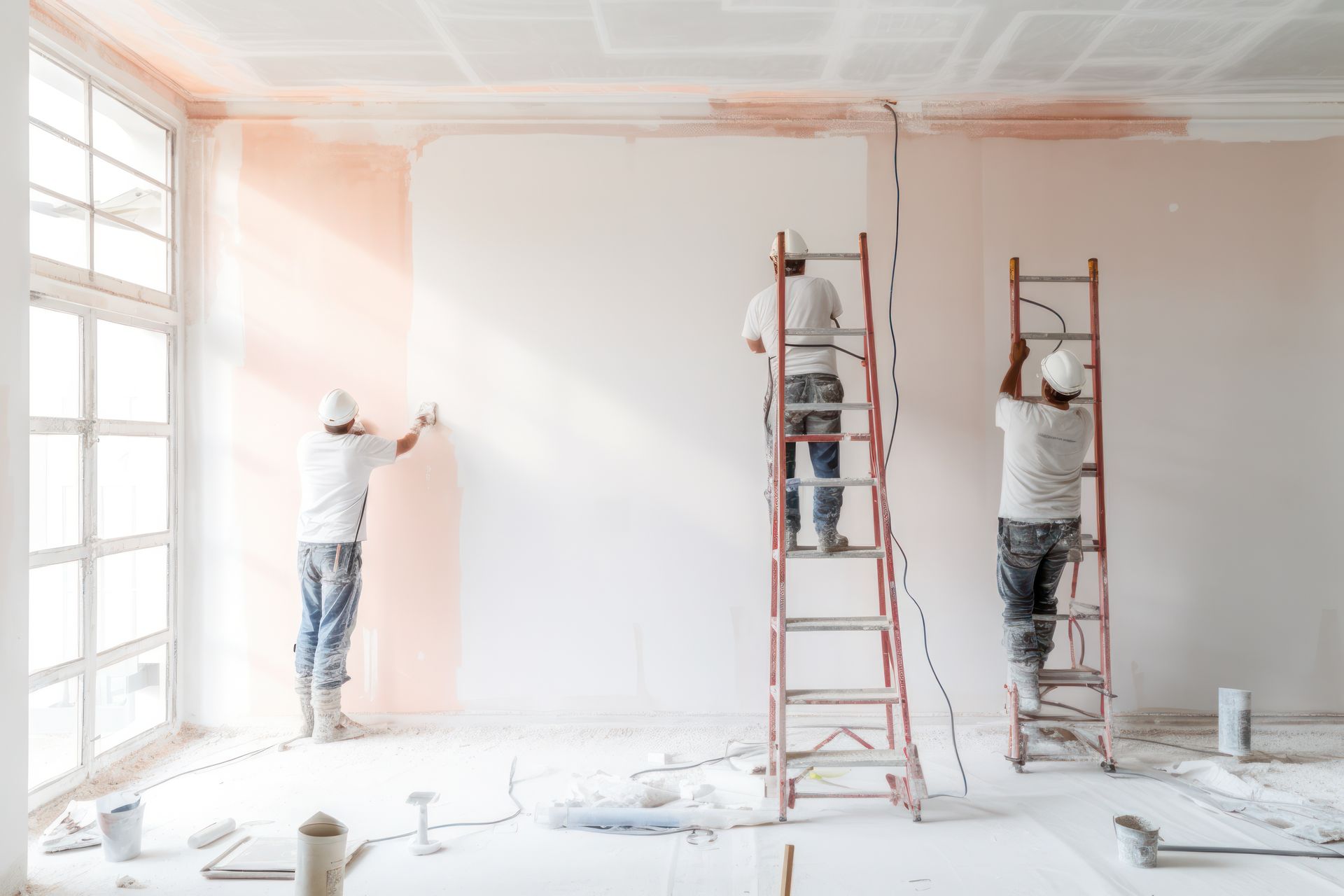
The physical state of your walls plays an equally critical role, and this factor catches Dallas-Fort Worth homeowners off guard more often than color transitions. Drywall that has been patched, repaired, or skim-coated absorbs paint at different rates than the surrounding undisturbed surface, creating visible differences in sheen and color density that professionals call "flashing." These repaired areas essentially drink the first coat of paint, pulling binders and pigments into the porous joint compound while the adjacent painted surface sits relatively sealed. Without proper priming of repair areas — something we handle on every project — you'll see every patch telegraphing through your finish coats no matter how many you apply. Older homes throughout Plano's established neighborhoods and Richardson's mature subdivisions present additional challenges including chalky existing paint that compromises adhesion, textured surfaces requiring more paint volume to cover peaks and valleys, and previously glossy surfaces needing preparation before new paint will bond properly. Each of these conditions doesn't necessarily add a finish coat, but they absolutely add preparation steps that make those finish coats perform the way they should.
How Paint Quality Directly Affects the Number of Coats Required
Not all paints are created equal, and the performance gap between professional-grade and budget formulations becomes most apparent when measuring coverage. Premium paints achieve superior hiding power through higher concentrations of titanium dioxide combined with advanced binder technology that holds pigment particles in optimal orientation as the film dries. A professional-grade paint like Sherwin-Williams Duration or Benjamin Moore Aura can deliver coverage in two coats that a budget paint cannot match in three, making the per-gallon price difference largely irrelevant when you factor in additional labor and material costs. The resin systems in premium paints also create denser films that resist the fading and chalking North Texas UV exposure accelerates, meaning your two coats of quality paint will still look complete years from now rather than degrading into a patchy surface needing premature repainting.
Interior Versus Exterior: Different Environments, Different Rules
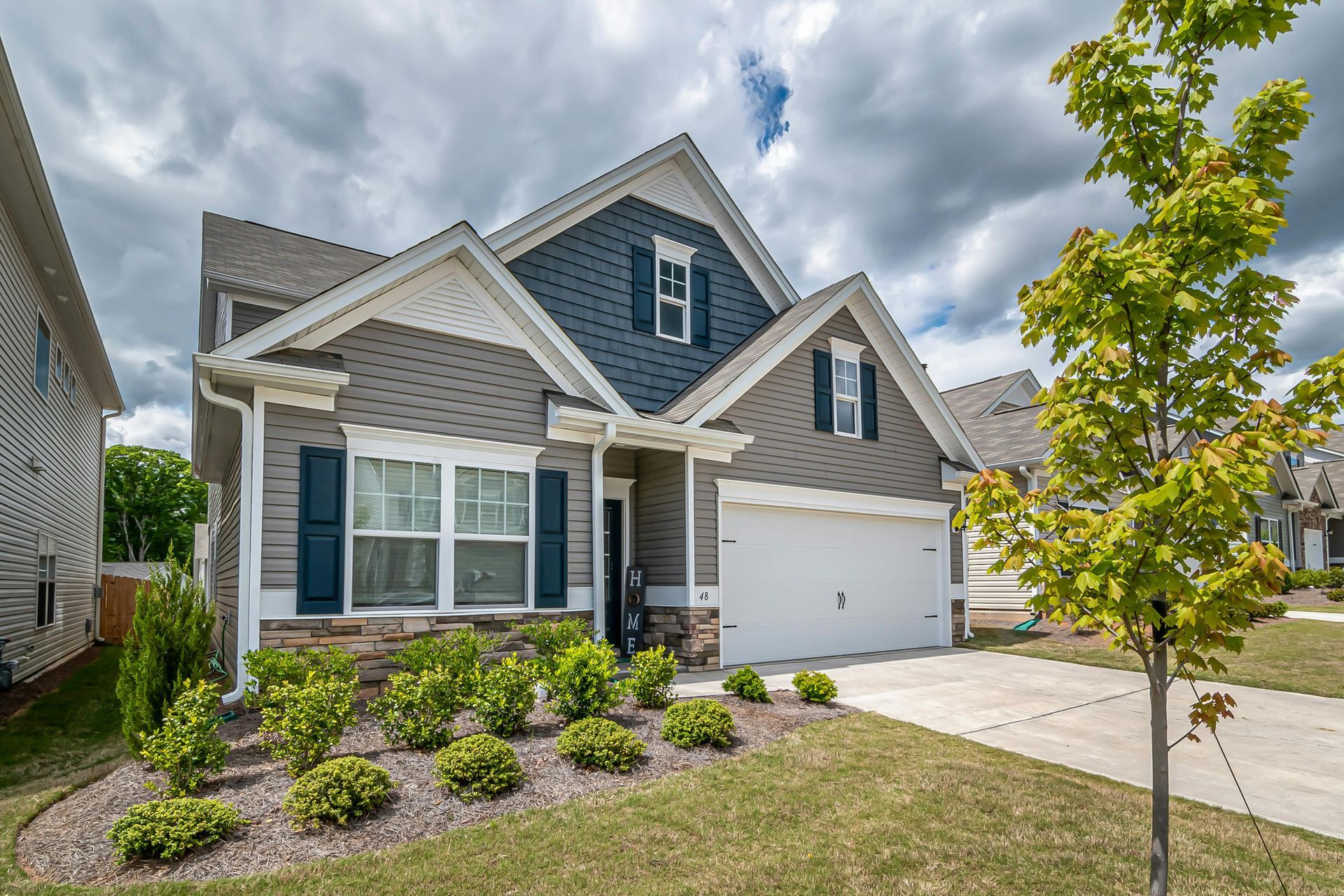
Interior and exterior painting operate under fundamentally different coverage principles. Interior walls in climate-controlled environments face relatively gentle wear — scuffs, cleaning, occasional moisture — and two coats of premium interior paint over properly prepared surfaces deliver excellent results for most rooms. Ceilings represent a notable exception, as their flat orientation combined with raking light from windows exposes every imperfection in coverage and demands careful, full two-coat application even when the color isn't changing. Exterior surfaces in Dallas-Fort Worth face an entirely different assault. Intense UV radiation, summer surface temperatures exceeding 150 degrees on south- and west-facing walls, dramatic temperature cycling, driving rain, and occasional hail all demand a paint system built for endurance. Exterior projects typically benefit from a dedicated primer coat followed by two full finish coats, particularly on bare wood, repaired stucco, or previously weathered surfaces. The additional coat isn't about color coverage — it's about building sufficient film thickness to protect your home from a relentless Texas climate that punishes thin or poorly applied paint systems.
The One-Coat Question: Marketing Promise Versus Jobsite Reality
Several paint manufacturers market "one-coat" or "paint-and-primer-in-one" products that promise to cut your project time in half. When you're refreshing walls with the same color, the existing surface is in good condition, and the paint is applied at the proper spread rate, these formulations can deliver acceptable results in a single application. The operative word is "acceptable." Even the best one-coat products produce a noticeably thinner dry film than a true two-coat system, and that thinner film translates to reduced durability, less color depth, and diminished protection against wear. For touch-up-resistant performance in high-traffic hallways, kid-friendly durability in family rooms, or moisture resistance in bathrooms, a proper two-coat system outperforms one-coat products every time. We recommend one-coat applications primarily for rental refreshes, pre-sale updates, and situations where clean appearance at minimal cost takes priority over long-term performance.
Signs During Your Project That Another Coat Is Needed
Even with careful planning, certain signals during the painting process indicate that an additional coat is necessary. If you can see the previous color bleeding through after the first coat has fully dried — not just when it's wet, since wet paint always looks thinner than it will once cured — the second coat needs to fully resolve that or a third becomes necessary. Inconsistent sheen across a wall, where some areas appear slightly glossier or flatter than others, typically indicates uneven absorption that another coat will equalize. Visible roller marks or lap lines after drying suggest application issues that a properly applied additional coat can correct. The critical detail is allowing each coat to dry completely before evaluating coverage. In the DFW area, interior paint typically reaches a reliable evaluation state within four to six hours under air-conditioned conditions. Judging coverage on wet paint leads to unnecessary anxiety and sometimes premature application of coats that haven't had the benefit of the previous coat fully curing.
Investing in Proper Coverage Protects Your Entire Project
The number of coats your home needs isn't a place to guess or cut corners, because inadequate coverage undermines every other investment in your painting project. A professional contractor evaluates your surfaces, color transition, substrate conditions, and environmental exposure to determine the right system rather than applying a blanket two-coat approach regardless of what the walls require. That tailored assessment separates a paint job that looks stunning on day one and still impresses years later from one that reveals its shortcuts within months.
At Hutch'N'Son Painting, we've spent over forty years perfecting our approach to every painting challenge North Texas homes present, and getting coverage right is fundamental to the quality workmanship that's earned our A+ BBB rating and the trust of homeowners throughout Plano, Frisco, Richardson, Allen, McKinney, and beyond. We never cut corners on preparation, priming, or coat application because your home deserves a finish that performs as beautifully as it looks. Contact Hutch'N'Son Painting today to schedule your free estimate and let our experienced team evaluate your specific needs, recommend the right approach for lasting results, and show you why DFW homeowners have counted on us since 1985 to deliver painting excellence they can see and feel for years to come.