Breathe Easy While Painting: Your Complete Guide to Minimizing Paint Fumes and VOCs in Dallas-Fort Worth Homes

Volatile organic compounds—commonly abbreviated as VOCs—represent a category of carbon-based chemicals that evaporate easily at room temperature, releasing gases that create the characteristic "paint smell" most Dallas homeowners recognize immediately upon opening a can of conventional paint. These airborne chemicals don't merely create unpleasant odors that temporarily inconvenience families during painting projects; they pose genuine health concerns ranging from headaches, dizziness, and respiratory irritation during short-term exposure to more serious long-term effects including liver and kidney damage when concentrated exposure continues over extended periods. Paint manufacturers traditionally relied on VOC-containing solvents to keep paint components properly suspended in liquid form, to control drying time, and to create the smooth, durable finishes that made oil-based paints the professional standard for decades. However, growing awareness of health impacts combined with environmental regulations addressing ground-level ozone formation have driven dramatic reformulation of paint products, creating today's low-VOC and zero-VOC alternatives that deliver professional performance without the toxic fumes that made traditional painting such an invasive home improvement project.
Understanding VOC measurement helps Dallas homeowners make informed product selections, with paint labels displaying VOC content in grams per liter that indicate total volatile compound concentration. Federal regulations limit interior flat paints to 250 grams per liter and non-flat finishes to 380 grams per liter, but these maximum allowable levels still permit substantial chemical emissions that sensitive individuals find intolerable. California's stricter standards reducing limits to 50 grams per liter for flat finishes and 100-150 grams per liter for other sheens have influenced manufacturers nationwide, making truly low-VOC products widely available even in Texas where state regulations remain less stringent. Zero-VOC paints contain fewer than five grams per liter, representing the cleanest options available though even these products aren't completely emission-free once tinting colorants get added to base formulations.
Low-VOC and Zero-VOC Paint Performance in Texas Climate
Dallas-Fort Worth homeowners considering low-VOC or zero-VOC paints often worry these environmentally friendly formulations sacrifice durability, coverage, or finish quality compared to conventional high-VOC products, but modern reformulations have largely eliminated historical performance gaps that once made green alternatives inferior choices. Premium low-VOC paints from professional lines including Sherwin-Williams Harmony, Benjamin Moore Natura, and Behr Premium Plus now deliver coverage, adhesion, and longevity matching conventional paints while maintaining VOC levels below fifty grams per liter. The key distinction involves understanding that low-VOC doesn't automatically mean low-quality—budget low-VOC paints certainly exist and perform poorly, but premium low-VOC formulations achieve professional results without compromising indoor air quality during and after application.
Texas's hot, humid climate actually favors low-VOC water-based paints over traditional oil-based alternatives, as modern acrylic latex formulations maintain flexibility through extreme temperature cycling better than oil-based paints that become brittle under thermal stress. The rapid evaporation occurring in North Texas's low-humidity periods helps water-based paints cure quickly, while high-VOC oil-based products struggle with prolonged drying times during humid summer periods when moisture slows solvent evaporation. Dallas homeowners gain dual benefits from low-VOC selections: healthier indoor air quality plus paint systems better suited to challenging local climate conditions that stress conventional formulations.
Ventilation Strategies That Actually Work During Painting
Proper ventilation during interior painting dramatically reduces VOC concentrations and odor intensity, yet many Dallas homeowners underestimate the aggressive air exchange required to meaningfully dilute paint fumes in occupied spaces. Simply cracking a window provides minimal benefit, as natural air movement rarely generates sufficient circulation to remove concentrated fumes from rooms being actively painted. Effective ventilation requires creating cross-flow using multiple windows on opposite walls combined with fans actively moving air through spaces, establishing pressure differentials that drive contaminated air outside while drawing fresh air into work areas. Box fans positioned in windows work excellently for this purpose, with inward-facing fans on windward walls bringing fresh air into rooms while outward-facing fans on opposite walls actively exhaust fume-laden air to exteriors.
Texas summer heat complicates ventilation strategies since opening windows and running fans during painting compromises air conditioning effectiveness, potentially creating uncomfortable conditions in already-hot rooms where painting generates additional heat from lights and physical activity. Many Dallas homeowners find early morning or evening painting sessions allow adequate ventilation without excessive cooling costs, taking advantage of cooler outdoor temperatures when open windows and active air exchange don't immediately spike utility bills. Alternatively, accepting higher short-term cooling costs during painting days proves worthwhile for families with young children, elderly members, or anyone with respiratory sensitivities who benefit from maximum ventilation regardless of energy expense.
HVAC systems present special considerations during interior painting, as running forced air while painting spreads fumes throughout entire homes rather than containing them to work areas. Most professional painters recommend shutting down HVAC systems during active painting and for several hours afterward, using localized ventilation to remove fumes from specific rooms before resuming whole-house air circulation. This approach prevents paint odors from infiltrating bedrooms, living areas, and other spaces distant from painting projects, avoiding the whole-house contamination that occurs when HVAC systems distribute fumes through ductwork to every room.
Strategic Timing Reduces Exposure and Disruption
Thoughtful project timing minimizes family exposure to paint fumes while accommodating Dallas-Fort Worth's climate patterns that affect both painting conditions and practical ventilation options. Scheduling interior painting during spring or fall when moderate outdoor temperatures allow extended window-opening without extreme heating or cooling costs creates ideal conditions for aggressive ventilation that rapidly clears fumes from living spaces. Many Plano and Frisco families plan painting projects to coincide with vacations or extended weekends away, allowing painters to complete work while homes remain unoccupied and then ventilate thoroughly before families return to spaces where fresh paint has already undergone initial curing releasing peak VOC emissions.
Breaking large projects into smaller phases completed over multiple weekends rather than attempting whole-house painting in single marathon sessions reduces concentration of fumes while giving families respite between painting periods when spaces can ventilate and partially cure before additional work begins. This staged approach proves particularly valuable for families with infants, pregnant women, or individuals with chemical sensitivities who need extended recovery periods between exposure events. The inconvenience of prolonged projects often proves preferable to health impacts from concentrated fume exposure occurring when rushing completion of extensive painting during compressed timeframes.
Temperature and humidity conditions during painting affect both VOC emission rates and paint curing, with warmer temperatures accelerating solvent evaporation that intensifies short-term fume concentrations while speeding the curing process that ultimately eliminates ongoing emissions. Dallas homeowners painting during cooler periods experience less intense immediate odors but face prolonged emission periods as paint takes longer to fully cure, creating extended low-level exposure rather than concentrated short-term fume events.
Product Selection Makes the Biggest Difference
Choosing appropriate paint products represents the single most impactful decision Dallas homeowners make regarding VOC exposure, with differences between conventional and premium low-VOC formulations dramatically affecting indoor air quality during and after painting. Reading product labels carefully reveals actual VOC content rather than relying on vague marketing terms like "low odor" that may describe masking fragrances hiding chemical smells without actually reducing harmful emissions. Products certified by Green Seal or meeting stringent California standards provide reliable third-party verification of low-VOC claims, protecting consumers from greenwashing by manufacturers making environmental claims without substantive reformulation.
Tinting adds complexity to VOC calculations, as colorants mixed into paint base increase total volatile compound content beyond base formulation levels listed on cans. Zero-VOC base paints may exceed five grams per liter limits after tinting, particularly when adding deep or saturated colors requiring substantial colorant volumes. Asking paint retailers about post-tinting VOC levels for specific colors helps Dallas homeowners understand actual emissions their projects will generate, avoiding surprises when zero-VOC labeled products emit more fumes than expected after color addition. Some manufacturers now offer zero-VOC colorant systems maintaining ultra-low emission levels even in deeply saturated hues, though these specialized products command premium prices and limited color selection compared to conventional tinting.
Natural paint alternatives including milk paint, clay-based paints, and mineral paints appeal to homeowners seeking truly non-toxic options, though these specialty products require different application techniques and deliver aesthetic results differing from conventional latex finishes. The learning curve and premium pricing associated with natural paints limit their practical appeal for most Dallas homeowners, though they provide legitimate options for individuals with severe chemical sensitivities requiring complete VOC elimination.
Room Preparation Minimizes Contamination Spread
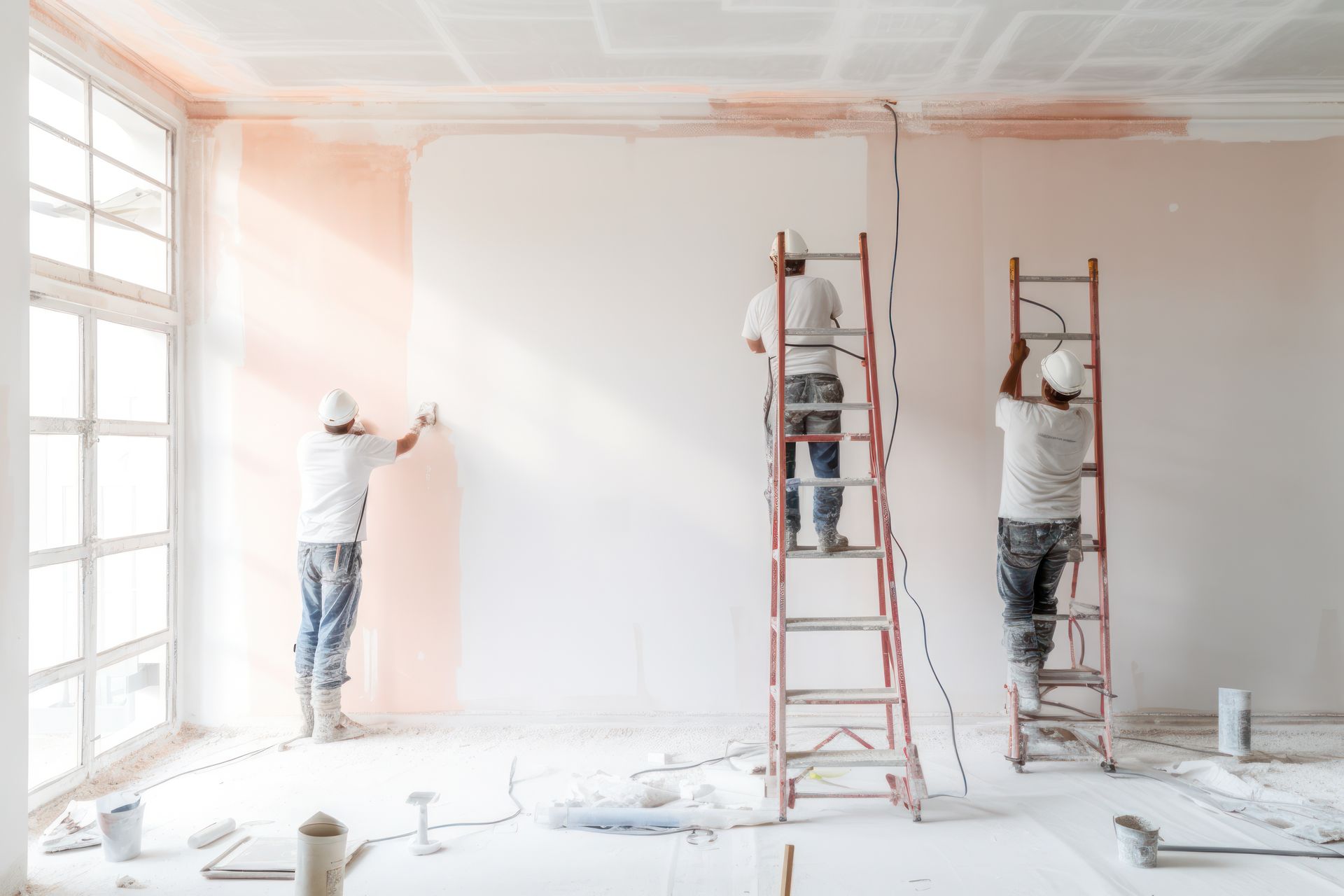
Proper preparation before painting begins contains fumes within work areas rather than allowing contamination to spread throughout Dallas homes, protecting living spaces from unnecessary exposure. Sealing doorways with plastic sheeting and painter's tape creates barriers preventing air movement from work areas into adjacent rooms, particularly important when HVAC systems remain operational and would otherwise distribute fumes through forced air circulation. Removing or carefully covering furnishings, carpets, and fabric items eliminates porous materials that absorb paint odors and continue off-gassing long after painting concludes, a particular concern with conventional high-VOC products that saturate absorbent materials during application.
Emptying closets and removing stored items from rooms being painted prevents clothing, linens, and personal belongings from absorbing chemical odors requiring extensive laundering or airing to eliminate persistent paint smell. Many Dallas families underestimate how readily fabrics absorb VOCs during painting, discovering weeks later that clothing stored in painted rooms retains chemical odors making garments unwearable without professional cleaning. The effort required to properly protect or remove absorbent items before painting proves far less burdensome than dealing with contaminated possessions after projects conclude.
Pre-painting surface preparation including spackling, sanding, and priming generates dust and additional chemical exposure beyond paint application itself, with primers often containing higher VOC levels than finish coats. Using low-VOC primers and conducting preparation work with maximum ventilation reduces cumulative exposure from multi-step painting processes where multiple product applications compound total chemical release.
Post-Painting Practices Accelerate VOC Clearing
Aggressive ventilation for forty-eight to seventy-two hours following paint application dramatically reduces residual VOC concentrations and odor intensity, though many Dallas homeowners prematurely close windows and resume normal HVAC operation before adequate clearing occurs. Extended air exchange using fans and open windows continues removing off-gassing chemicals as paint cures, with emission rates highest during initial hours after application but continuing at reduced levels for days or weeks depending on product formulation and environmental conditions. Temperature control affects clearing rates, as warmer conditions accelerate both paint curing and VOC evaporation, suggesting that tolerating somewhat elevated indoor temperatures during initial post-painting periods may actually speed the emission and clearance process despite temporary discomfort.
Activated charcoal air purifiers and HEPA filtration systems help remove airborne VOCs and paint particles from indoor air, though these devices supplement rather than replace proper ventilation that remains the most effective clearing method. Plants including spider plants, peace lilies, and snake plants demonstrate some VOC absorption capacity in laboratory testing, though realistic residential planting densities provide minimal practical benefit compared to mechanical ventilation. Baking soda bowls, vinegar dishes, and other folk remedies popular among Dallas homeowners offer psychological comfort but limited actual VOC reduction, with proper air exchange remaining the scientifically supported clearing method.
Special Considerations for Sensitive Populations
Pregnant women, infants, young children, elderly individuals, and anyone with respiratory conditions including asthma require extra precautions during painting projects, as these vulnerable populations face heightened health risks from VOC exposure that healthy adults tolerate with minimal effects. Medical guidance generally recommends pregnant women avoid painting areas entirely during application and initial curing periods, with extended absence from work areas minimizing fetal exposure to chemicals that may affect development. Young children's rapid breathing rates and developing systems make them particularly vulnerable to respiratory irritants, warranting temporary relocation during painting projects when possible or strict containment and ventilation protocols when families must remain in homes during work.
Dallas families with asthmatic members should consult healthcare providers before undertaking interior painting, as even low-VOC products may trigger respiratory responses in sensitive individuals. Some families find that professional painters working during weekday absences while children attend school and adults work provides practical compromise allowing thorough ventilation before family members return, though weekend projects require extra vigilance about exposure prevention and aggressive odor clearing.
Professional Painters Using Low-VOC Products
Hiring professional painting contractors experienced with low-VOC and zero-VOC products ensures proper application techniques that maximize these formulations' performance while minimizing health impacts for both workers and occupants. Professional painters working daily with various paint products develop sensitivity to formulations that perform well versus those creating application challenges, steering Dallas homeowners toward proven low-VOC products that deliver professional results. Contractors equipped with proper ventilation equipment including negative air machines and exhaust systems create safer working conditions while containing fumes more effectively than DIY painters typically achieve with basic fans and open windows.
Discussing VOC concerns during contractor selection conversations reveals professionals' knowledge about product options and willingness to accommodate health-conscious homeowners' preferences, distinguishing contractors viewing low-VOC requests as legitimate priorities versus those dismissing environmental concerns as unnecessary complications. Quality contractors understand that superior indoor air quality during and after painting represents genuine value they deliver to Dallas families, not merely extra cost without corresponding benefit.
Create Healthier Spaces with Expert Low-VOC Painting
Minimizing paint odor and VOC exposure in your Dallas-Fort Worth home requires informed product selection, strategic project timing, aggressive ventilation, and proper application techniques that protect your family's health while achieving beautiful, durable results. At Hutch'N'Son Painting, we've spent over thirty-five years helping North Texas families transform their homes with painting solutions that prioritize both aesthetic excellence and occupant wellbeing, understanding that truly successful projects deliver stunning appearance without compromising the air quality your family breathes every day. Our team specializes in premium low-VOC and zero-VOC paint systems from leading manufacturers, bringing expertise in proper application techniques that maximize these advanced formulations' performance while creating healthier indoor environments throughout Plano, Frisco, Dallas, and surrounding communities. We discuss your family's specific sensitivities and health priorities during free consultations, recommending appropriate products and project timing that accommodates your circumstances while delivering the beautiful finishes you envision for your home. Our commitment to proper ventilation, containment, and post-painting clearing ensures your spaces are ready for comfortable occupancy as quickly as possible after completion, never rushing the process at the expense of your family's health. Contact Hutch'N'Son Painting today to schedule your free consultation where we'll discuss low-VOC painting options perfectly suited to your Dallas-Fort Worth home, explain how we protect indoor air quality throughout every project phase, and demonstrate why health-conscious families throughout North Texas trust our expertise for painting that's as safe as it is beautiful.