Kitchen Cabinet Painting vs. Replacement: A Dallas Homeowner's Cost-Benefit Guide

Nikolle Bauder • January 4, 2026

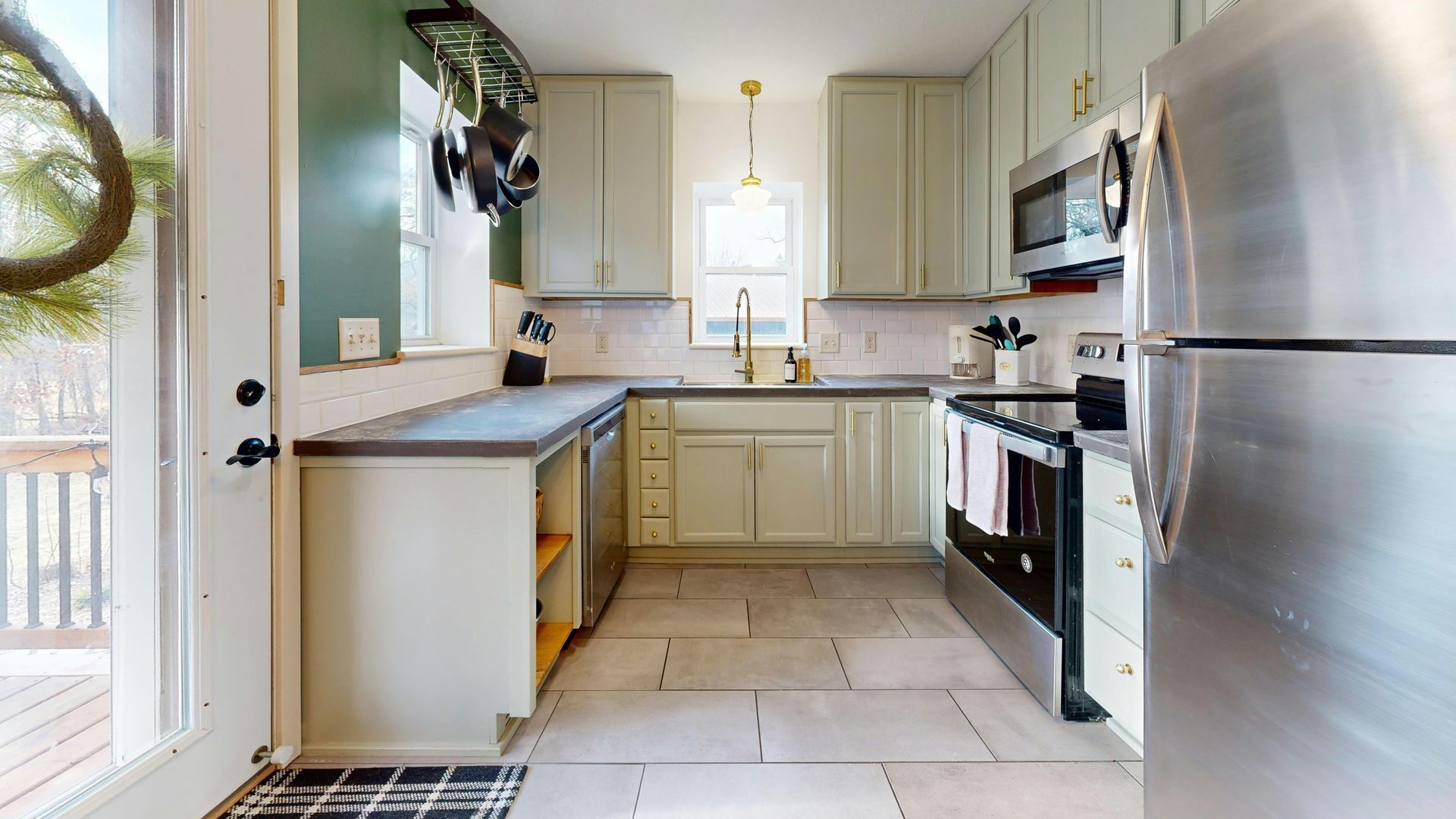
Kitchen cabinets dominate the visual landscape of Dallas-Fort Worth homes, accounting for roughly forty percent of visible kitchen surfaces and significantly influencing both daily enjoyment and property value. Homeowners throughout Plano, Frisco, and McKinney frequently face the dilemma of whether tired, dated cabinets deserve complete replacement or whether professional painting can deliver the transformation they envision while preserving substantial budget for other improvements. While interior painting projects often focus on walls and trim, kitchen cabinet painting represents specialized work requiring expertise that goes far beyond standard wall painting, involving extensive surface preparation, specialized primers and paints, and application techniques that create the durable, smooth finishes homeowners expect from what appears to be new cabinetry. Understanding the true costs and benefits of cabinet painting versus replacement, including hidden expenses and long-term durability expectations under Dallas kitchen conditions, empowers North Texas families to make informed decisions that align with their budgets, timelines, and renovation goals.


The True Cost of Cabinet Replacement in Dallas

Understanding complete cabinet replacement costs helps frame the cabinet painting decision by establishing the financial baseline against which painting savings are measured. Standard kitchen cabinet replacement for an average Dallas-Fort Worth kitchen measuring twelve by fifteen feet with twenty linear feet of cabinets typically costs between fifteen thousand and thirty-five thousand dollars depending on cabinet quality, configuration complexity, and installation requirements. This range encompasses stock cabinets at the lower end, semi-custom cabinets in the middle range offering better quality and more design flexibility, and custom cabinets at the premium end providing unlimited design possibilities.


The cabinet replacement process extends beyond simple cabinet costs to include associated expenses that significantly impact total project budgets. Countertop replacement becomes necessary in most projects because removing old cabinets typically damages existing countertops, adding five thousand to fifteen thousand dollars. Plumbing modifications for sink reinstallation, electrical work, drywall repair where old cabinets attached to walls, backsplash removal and replacement, and disposal of old materials add another two thousand to five thousand dollars to total costs that many homeowners overlook when estimating replacement budgets.


Timeline considerations affect both direct costs and household disruption. Complete cabinet replacement typically requires four to eight weeks from ordering to installation completion, during which kitchens remain partially or completely non-functional. Custom cabinets may require twelve to sixteen weeks for fabrication, creating extended periods of kitchen disruption that challenge families accustomed to daily meal preparation. The inconvenience costs including dining out and managing household routines around construction represent hidden expenses that don't appear in contractor quotes but significantly impact family budgets.


Cabinet Painting Costs and Realistic Expectations

Professional cabinet painting for the same average Dallas kitchen typically costs between three thousand and seven thousand dollars depending on cabinet quantity, door style complexity, and finish quality desired. This represents roughly twenty to thirty percent of cabinet replacement costs while delivering dramatic visual transformation that can make fifteen-year-old cabinets appear contemporary and fresh.


The cabinet painting process involves far more complexity than many homeowners expect. Doors and drawer fronts are removed and labeled, then transported to controlled spray environments where professional equipment creates smooth, factory-like finishes. Cabinet boxes and face frames receive hand-brushing or careful spraying in place, requiring extensive masking to protect countertops, appliances, walls, and floors.


Surface preparation represents the most critical factor determining success and longevity. All surfaces receive thorough cleaning with degreasers to remove cooking oils and accumulated grime that prevents paint adhesion. Previous finishes are scuffed through sanding to create tooth for new coatings. Damage including scratches, dents, and separated joints receives repair using wood fillers that create smooth surfaces ready for primer.


Primer selection requires products specifically formulated for maximum adhesion to existing finishes while blocking stains and creating uniform surfaces. Oil-based primers provide superior adhesion to challenging surfaces including laminate and previously painted cabinets, though water-based bonding primers now offer approaching performance while providing easier cleanup and lower odor.


Paint selection demands products specifically formulated for durability rather than standard wall paints. Specialized cabinet paints remain workable longer during application allowing proper techniques to create smooth surfaces, while curing to harder, more durable finishes. Premium cabinet paints cost significantly more but deliver the performance characteristics necessary for kitchen applications.


When Cabinet Painting Makes the Most Sense

Cabinet painting delivers optimal value when existing cabinets feature solid construction worth preserving, when cabinet layout works well for household needs, and when primary concerns focus on appearance rather than functionality. Dallas homes built between 1990 and 2010 typically feature solid wood or quality plywood cabinets with door styles that remain attractive when updated with contemporary colors, making them excellent candidates for painting rather than replacement.


Color and style updates represent cabinet painting's primary value proposition, transforming golden oak or honey maple finishes popular in 1990s Dallas construction into contemporary whites, grays, or other modern colors. Homeowners satisfied with existing cabinet configuration, storage capacity, and functionality find painting delivers everything they need at a fraction of replacement costs.


Budget constraints make cabinet painting attractive for Dallas homeowners wanting significant kitchen updates while preserving financial resources. Allocating three thousand to seven thousand dollars for cabinet painting rather than twenty thousand to thirty-five thousand dollars for replacement leaves substantial budget for countertop upgrades, new appliances, flooring improvements, or lighting enhancements that collectively transform kitchens more dramatically than cabinet replacement alone.


Timeline advantages prove significant for homeowners needing quick transformations. Professional cabinet painting typically completes within five to ten business days from project start to final installation, with kitchens returning to full functionality quickly compared to the weeks or months required for cabinet replacement.


When Cabinet Replacement Makes More Sense

Cabinet replacement becomes the better investment when existing cabinets suffer from structural problems, inadequate storage capacity, or poor layouts that painting cannot address. Damaged cabinet boxes, broken hinges, drawer slides that no longer function smoothly, and doors that won't close properly indicate structural issues where replacement delivers better value than painting cabinets nearing the end of their functional life.


Functionality improvements including soft-close hinges, full-extension drawer slides, pull-out shelving, and modern organizational systems justify replacement costs when these features significantly enhance kitchen usability. Newer cabinet lines incorporate storage innovations including vertical dividers for baking sheets, pull-out trash compartments, and corner cabinet solutions that maximize space utilization while improving daily kitchen efficiency.


Layout changes to improve kitchen workflow, add storage capacity, or accommodate new appliances require cabinet replacement. Dallas homeowners converting to larger refrigerators, adding wine storage, creating coffee stations, or reconfiguring layouts for better entertaining flow need the design flexibility that replacement provides.


Long-term property plans influence the decision, with homeowners intending to remain in Dallas homes for ten or more years potentially finding replacement delivers better lifetime value despite higher initial costs. Quality cabinet replacement can last thirty to fifty years with proper care. Conversely, homeowners anticipating relocation within five years often find cabinet painting provides adequate appearance improvement for resale purposes while avoiding over-investment.


Durability and Maintenance Considerations

Professional cabinet painting with quality primers and paints typically lasts seven to twelve years under normal use before requiring refinishing, with durability depending on paint quality, application technique, and household wear patterns. Dallas kitchens with young children, frequent cooking, or high usage patterns may see painted finishes showing wear sooner than households with lighter kitchen use.


Common wear patterns include chipping at door and drawer edges, dulling of finish near handles where hands frequently contact surfaces, and staining from cooking oils. Quality cabinet paints resist these issues better than standard wall paints, though no painted finish matches the inherent durability of factory-applied finishes.


Maintenance requirements for painted cabinets remain manageable with proper techniques. Clean painted cabinets using soft cloths and mild soap solutions rather than abrasive cleaners. Address chips and scratches promptly through touch-up painting that prevents moisture infiltration. Avoid harsh chemicals including bleach and ammonia-based cleaners that can discolor or damage painted surfaces.


The refinishing option provides painted cabinet advantage when appearance eventually degrades. Previously painted cabinets can be repainted more easily than virgin finishes, with surface preparation simplified by absence of glossy factory finishes requiring aggressive deglossing. This means painted cabinets can be refreshed every seven to twelve years at modest cost.


The Dallas Market Perspective

Dallas-Fort Worth real estate market conditions influence the cabinet decision through their impact on home values and buyer preferences. Professional cabinet painting to contemporary colors can increase home sale prices by five thousand to fifteen thousand dollars while costing only three thousand to seven thousand dollars, delivering positive return on investment for sellers preparing homes for market.


Neighborhood context affects the appropriate investment level, with modest homes in average neighborhoods seeing limited return from premium cabinet replacement while potentially benefiting significantly from professional painting. Conversely, luxury homes in premium Dallas neighborhoods may require cabinet replacement to meet buyer expectations and justify asking prices.


Dallas design trends favor transitional and contemporary styles, making simple shaker-style doors and slab fronts from 1990s and 2000s construction excellent painting candidates. The clean lines translate well to contemporary colors, whereas heavily ornate traditional cabinets may appear dated regardless of paint color.


Making Your Decision

Begin by honestly assessing existing cabinet condition including structural soundness, functionality, and layout suitability. Cabinets with solid construction, adequate storage, and layouts that work well deserve consideration for painting, while those with structural problems or inadequate capacity benefit from replacement.


Establish realistic budgets that account for all associated costs. Painting budgets should include hardware replacement if desired, while replacement budgets must include countertops, backsplash, plumbing and electrical modifications, and flooring work to avoid surprise overruns.


Consider timeline requirements and household disruption tolerance, with painting offering dramatic advantages for homeowners needing quick transformations. Evaluate long-term property plans and whether cabinet investment aligns with anticipated occupancy duration.


When it's time to give your kitchen the fresh remodel it deserves, Hutch'N'Son Painting brings over thirty-five years of expertise. Since 1985, we've been helping Dallas-Fort Worth homeowners achieve beautiful kitchen updates through meticulous surface preparation, premium cabinet-specific primers and paints, and application techniques that create factory-like finishes. Our comprehensive approach includes honest assessment of whether cabinet painting or replacement better serves your specific situation, detailed project planning that minimizes household disruption, and quality execution that ensures lasting beauty and satisfaction. Contact us today to schedule your consultation and discover how professional cabinet painting can transform your kitchen while preserving substantial budget for other improvements that collectively create the kitchen of your dreams.
By Nikolle Bauder January 29, 2026
Volatile organic compounds—commonly abbreviated as VOCs—represent a category of carbon-based chemicals that evaporate easily at room temperature, releasing gases that create the characteristic "paint smell" most Dallas homeowners recognize immediately upon opening a can of conventional paint. These airborne chemicals don't merely create unpleasant odors that temporarily inconvenience families during painting projects; they pose genuine health concerns ranging from headaches, dizziness, and respiratory irritation during short-term exposure to more serious long-term effects including liver and kidney damage when concentrated exposure continues over extended periods. Paint manufacturers traditionally relied on VOC-containing solvents to keep paint components properly suspended in liquid form, to control drying time, and to create the smooth, durable finishes that made oil-based paints the professional standard for decades. However, growing awareness of health impacts combined with environmental regulations addressing ground-level ozone formation have driven dramatic reformulation of paint products, creating today's low-VOC and zero-VOC alternatives that deliver professional performance without the toxic fumes that made traditional painting such an invasive home improvement project. Understanding VOC measurement helps Dallas homeowners make informed product selections, with paint labels displaying VOC content in grams per liter that indicate total volatile compound concentration. Federal regulations limit interior flat paints to 250 grams per liter and non-flat finishes to 380 grams per liter, but these maximum allowable levels still permit substantial chemical emissions that sensitive individuals find intolerable. California's stricter standards reducing limits to 50 grams per liter for flat finishes and 100-150 grams per liter for other sheens have influenced manufacturers nationwide, making truly low-VOC products widely available even in Texas where state regulations remain less stringent. Zero-VOC paints contain fewer than five grams per liter, representing the cleanest options available though even these products aren't completely emission-free once tinting colorants get added to base formulations. Low-VOC and Zero-VOC Paint Performance in Texas Climate Dallas-Fort Worth homeowners considering low-VOC or zero-VOC paints often worry these environmentally friendly formulations sacrifice durability, coverage, or finish quality compared to conventional high-VOC products, but modern reformulations have largely eliminated historical performance gaps that once made green alternatives inferior choices. Premium low-VOC paints from professional lines including Sherwin-Williams Harmony, Benjamin Moore Natura, and Behr Premium Plus now deliver coverage, adhesion, and longevity matching conventional paints while maintaining VOC levels below fifty grams per liter. The key distinction involves understanding that low-VOC doesn't automatically mean low-quality—budget low-VOC paints certainly exist and perform poorly, but premium low-VOC formulations achieve professional results without compromising indoor air quality during and after application. Texas's hot, humid climate actually favors low-VOC water-based paints over traditional oil-based alternatives, as modern acrylic latex formulations maintain flexibility through extreme temperature cycling better than oil-based paints that become brittle under thermal stress. The rapid evaporation occurring in North Texas's low-humidity periods helps water-based paints cure quickly, while high-VOC oil-based products struggle with prolonged drying times during humid summer periods when moisture slows solvent evaporation. Dallas homeowners gain dual benefits from low-VOC selections: healthier indoor air quality plus paint systems better suited to challenging local climate conditions that stress conventional formulations. Ventilation Strategies That Actually Work During Painting Proper ventilation during interior painting dramatically reduces VOC concentrations and odor intensity, yet many Dallas homeowners underestimate the aggressive air exchange required to meaningfully dilute paint fumes in occupied spaces. Simply cracking a window provides minimal benefit, as natural air movement rarely generates sufficient circulation to remove concentrated fumes from rooms being actively painted. Effective ventilation requires creating cross-flow using multiple windows on opposite walls combined with fans actively moving air through spaces, establishing pressure differentials that drive contaminated air outside while drawing fresh air into work areas. Box fans positioned in windows work excellently for this purpose, with inward-facing fans on windward walls bringing fresh air into rooms while outward-facing fans on opposite walls actively exhaust fume-laden air to exteriors. Texas summer heat complicates ventilation strategies since opening windows and running fans during painting compromises air conditioning effectiveness, potentially creating uncomfortable conditions in already-hot rooms where painting generates additional heat from lights and physical activity. Many Dallas homeowners find early morning or evening painting sessions allow adequate ventilation without excessive cooling costs, taking advantage of cooler outdoor temperatures when open windows and active air exchange don't immediately spike utility bills. Alternatively, accepting higher short-term cooling costs during painting days proves worthwhile for families with young children, elderly members, or anyone with respiratory sensitivities who benefit from maximum ventilation regardless of energy expense. HVAC systems present special considerations during interior painting, as running forced air while painting spreads fumes throughout entire homes rather than containing them to work areas. Most professional painters recommend shutting down HVAC systems during active painting and for several hours afterward, using localized ventilation to remove fumes from specific rooms before resuming whole-house air circulation. This approach prevents paint odors from infiltrating bedrooms, living areas, and other spaces distant from painting projects, avoiding the whole-house contamination that occurs when HVAC systems distribute fumes through ductwork to every room. Strategic Timing Reduces Exposure and Disruption Thoughtful project timing minimizes family exposure to paint fumes while accommodating Dallas-Fort Worth's climate patterns that affect both painting conditions and practical ventilation options. Scheduling interior painting during spring or fall when moderate outdoor temperatures allow extended window-opening without extreme heating or cooling costs creates ideal conditions for aggressive ventilation that rapidly clears fumes from living spaces. Many Plano and Frisco families plan painting projects to coincide with vacations or extended weekends away, allowing painters to complete work while homes remain unoccupied and then ventilate thoroughly before families return to spaces where fresh paint has already undergone initial curing releasing peak VOC emissions. Breaking large projects into smaller phases completed over multiple weekends rather than attempting whole-house painting in single marathon sessions reduces concentration of fumes while giving families respite between painting periods when spaces can ventilate and partially cure before additional work begins. This staged approach proves particularly valuable for families with infants, pregnant women, or individuals with chemical sensitivities who need extended recovery periods between exposure events. The inconvenience of prolonged projects often proves preferable to health impacts from concentrated fume exposure occurring when rushing completion of extensive painting during compressed timeframes. Temperature and humidity conditions during painting affect both VOC emission rates and paint curing, with warmer temperatures accelerating solvent evaporation that intensifies short-term fume concentrations while speeding the curing process that ultimately eliminates ongoing emissions. Dallas homeowners painting during cooler periods experience less intense immediate odors but face prolonged emission periods as paint takes longer to fully cure, creating extended low-level exposure rather than concentrated short-term fume events. Product Selection Makes the Biggest Difference Choosing appropriate paint products represents the single most impactful decision Dallas homeowners make regarding VOC exposure, with differences between conventional and premium low-VOC formulations dramatically affecting indoor air quality during and after painting. Reading product labels carefully reveals actual VOC content rather than relying on vague marketing terms like "low odor" that may describe masking fragrances hiding chemical smells without actually reducing harmful emissions. Products certified by Green Seal or meeting stringent California standards provide reliable third-party verification of low-VOC claims, protecting consumers from greenwashing by manufacturers making environmental claims without substantive reformulation. Tinting adds complexity to VOC calculations, as colorants mixed into paint base increase total volatile compound content beyond base formulation levels listed on cans. Zero-VOC base paints may exceed five grams per liter limits after tinting, particularly when adding deep or saturated colors requiring substantial colorant volumes. Asking paint retailers about post-tinting VOC levels for specific colors helps Dallas homeowners understand actual emissions their projects will generate, avoiding surprises when zero-VOC labeled products emit more fumes than expected after color addition. Some manufacturers now offer zero-VOC colorant systems maintaining ultra-low emission levels even in deeply saturated hues, though these specialized products command premium prices and limited color selection compared to conventional tinting. Natural paint alternatives including milk paint, clay-based paints, and mineral paints appeal to homeowners seeking truly non-toxic options, though these specialty products require different application techniques and deliver aesthetic results differing from conventional latex finishes. The learning curve and premium pricing associated with natural paints limit their practical appeal for most Dallas homeowners, though they provide legitimate options for individuals with severe chemical sensitivities requiring complete VOC elimination. Room Preparation Minimizes Contamination Spread Proper preparation before painting begins contains fumes within work areas rather than allowing contamination to spread throughout Dallas homes, protecting living spaces from unnecessary exposure. Sealing doorways with plastic sheeting and painter's tape creates barriers preventing air movement from work areas into adjacent rooms, particularly important when HVAC systems remain operational and would otherwise distribute fumes through forced air circulation. Removing or carefully covering furnishings, carpets, and fabric items eliminates porous materials that absorb paint odors and continue off-gassing long after painting concludes, a particular concern with conventional high-VOC products that saturate absorbent materials during application. Emptying closets and removing stored items from rooms being painted prevents clothing, linens, and personal belongings from absorbing chemical odors requiring extensive laundering or airing to eliminate persistent paint smell. Many Dallas families underestimate how readily fabrics absorb VOCs during painting, discovering weeks later that clothing stored in painted rooms retains chemical odors making garments unwearable without professional cleaning. The effort required to properly protect or remove absorbent items before painting proves far less burdensome than dealing with contaminated possessions after projects conclude. Pre-painting surface preparation including spackling, sanding, and priming generates dust and additional chemical exposure beyond paint application itself, with primers often containing higher VOC levels than finish coats. Using low-VOC primers and conducting preparation work with maximum ventilation reduces cumulative exposure from multi-step painting processes where multiple product applications compound total chemical release. Post-Painting Practices Accelerate VOC Clearing Aggressive ventilation for forty-eight to seventy-two hours following paint application dramatically reduces residual VOC concentrations and odor intensity, though many Dallas homeowners prematurely close windows and resume normal HVAC operation before adequate clearing occurs. Extended air exchange using fans and open windows continues removing off-gassing chemicals as paint cures, with emission rates highest during initial hours after application but continuing at reduced levels for days or weeks depending on product formulation and environmental conditions. Temperature control affects clearing rates, as warmer conditions accelerate both paint curing and VOC evaporation, suggesting that tolerating somewhat elevated indoor temperatures during initial post-painting periods may actually speed the emission and clearance process despite temporary discomfort. Activated charcoal air purifiers and HEPA filtration systems help remove airborne VOCs and paint particles from indoor air, though these devices supplement rather than replace proper ventilation that remains the most effective clearing method. Plants including spider plants, peace lilies, and snake plants demonstrate some VOC absorption capacity in laboratory testing, though realistic residential planting densities provide minimal practical benefit compared to mechanical ventilation. Baking soda bowls, vinegar dishes, and other folk remedies popular among Dallas homeowners offer psychological comfort but limited actual VOC reduction, with proper air exchange remaining the scientifically supported clearing method. Special Considerations for Sensitive Populations Pregnant women, infants, young children, elderly individuals, and anyone with respiratory conditions including asthma require extra precautions during painting projects, as these vulnerable populations face heightened health risks from VOC exposure that healthy adults tolerate with minimal effects. Medical guidance generally recommends pregnant women avoid painting areas entirely during application and initial curing periods, with extended absence from work areas minimizing fetal exposure to chemicals that may affect development. Young children's rapid breathing rates and developing systems make them particularly vulnerable to respiratory irritants, warranting temporary relocation during painting projects when possible or strict containment and ventilation protocols when families must remain in homes during work. Dallas families with asthmatic members should consult healthcare providers before undertaking interior painting, as even low-VOC products may trigger respiratory responses in sensitive individuals. Some families find that professional painters working during weekday absences while children attend school and adults work provides practical compromise allowing thorough ventilation before family members return, though weekend projects require extra vigilance about exposure prevention and aggressive odor clearing. Professional Painters Using Low-VOC Products Hiring professional painting contractors experienced with low-VOC and zero-VOC products ensures proper application techniques that maximize these formulations' performance while minimizing health impacts for both workers and occupants. Professional painters working daily with various paint products develop sensitivity to formulations that perform well versus those creating application challenges, steering Dallas homeowners toward proven low-VOC products that deliver professional results. Contractors equipped with proper ventilation equipment including negative air machines and exhaust systems create safer working conditions while containing fumes more effectively than DIY painters typically achieve with basic fans and open windows. Discussing VOC concerns during contractor selection conversations reveals professionals' knowledge about product options and willingness to accommodate health-conscious homeowners' preferences, distinguishing contractors viewing low-VOC requests as legitimate priorities versus those dismissing environmental concerns as unnecessary complications. Quality contractors understand that superior indoor air quality during and after painting represents genuine value they deliver to Dallas families, not merely extra cost without corresponding benefit. Create Healthier Spaces with Expert Low-VOC Painting Minimizing paint odor and VOC exposure in your Dallas-Fort Worth home requires informed product selection, strategic project timing, aggressive ventilation, and proper application techniques that protect your family's health while achieving beautiful, durable results. At Hutch'N'Son Painting, we've spent over thirty-five years helping North Texas families transform their homes with painting solutions that prioritize both aesthetic excellence and occupant wellbeing, understanding that truly successful projects deliver stunning appearance without compromising the air quality your family breathes every day. Our team specializes in premium low-VOC and zero-VOC paint systems from leading manufacturers, bringing expertise in proper application techniques that maximize these advanced formulations' performance while creating healthier indoor environments throughout Plano, Frisco, Dallas, and surrounding communities. We discuss your family's specific sensitivities and health priorities during free consultations, recommending appropriate products and project timing that accommodates your circumstances while delivering the beautiful finishes you envision for your home. Our commitment to proper ventilation, containment, and post-painting clearing ensures your spaces are ready for comfortable occupancy as quickly as possible after completion, never rushing the process at the expense of your family's health. Contact Hutch'N'Son Painting today to schedule your free consultation where we'll discuss low-VOC painting options perfectly suited to your Dallas-Fort Worth home, explain how we protect indoor air quality throughout every project phase, and demonstrate why health-conscious families throughout North Texas trust our expertise for painting that's as safe as it is beautiful.
By Nikolle Bauder January 19, 2026
Dallas-Fort Worth homeowners face exterior paint challenges that dramatically shorten the typical repainting intervals recommended by paint manufacturers and national home improvement guides that assume moderate climate conditions. North Texas's unique combination of intense UV radiation, extreme temperature swings, violent weather events, and dramatic humidity fluctuations creates the perfect storm for accelerated paint degradation that can reduce typical paint life by thirty to fifty percent compared to homes in gentler climates. Understanding that a paint system rated for ten years in mild Pacific Northwest conditions might deliver only five to seven years in Frisco or Plano helps set realistic expectations and prevents the surprise of premature paint failure that catches many homeowners unprepared for major repainting expenses sooner than anticipated. The investment required for quality exterior painting in the Dallas metroplex makes timing decisions critical—repaint too frequently and you waste money on unnecessary work, but wait too long and you risk substrate damage from moisture infiltration that transforms a straightforward paint project into expensive wood replacement and structural repair. The Five to Seven Year Reality for Most DFW Homes Professional painters serving Dallas-Fort Worth consistently observe that most residential exteriors require repainting every five to seven years to maintain both protective function and attractive appearance under North Texas conditions, regardless of manufacturer claims suggesting longer service lives. This timeline applies to homes using quality acrylic latex paints properly applied over well-prepared surfaces, representing the baseline expectation for standard residential paint systems in our demanding climate. Homes with southern or western exposure bearing the brunt of Texas sun often trend toward the shorter end of this range, developing noticeable fading, chalking, and gloss loss within five years that signals approaching end of service life. Conversely, well-maintained homes with ideal orientation, protective landscaping providing shade, and premium paint systems occasionally extend toward seven or even eight years before requiring attention, though these represent optimal scenarios rather than typical experiences most homeowners should expect. This five-to-seven-year guideline assumes regular maintenance including annual inspections, prompt repair of damaged caulking, and periodic cleaning to remove dirt and biological growth that accelerates paint degradation. Homeowners who neglect routine maintenance often find paint failure occurring at the shorter end of expected timelines or even sooner, as small problems compound into major failures requiring not just repainting but substrate repair before new coatings can be applied. The aggressive Dallas climate provides little forgiveness for deferred maintenance, with problems developing and escalating faster than in moderate environments where homeowners might safely postpone minor repairs without serious consequences. Wood Siding Requires the Most Frequent Attention Wood siding in Dallas-Fort Worth homes demands the most vigilant repainting schedule, typically requiring fresh coats every four to six years to prevent moisture damage that can destroy expensive substrates. Wood's natural tendency to absorb moisture makes it particularly vulnerable to North Texas's periodic heavy rainfall events and high humidity periods, with paint serving as the critical barrier preventing water infiltration that causes rot, warping, and structural failure. Once paint protection fails and moisture penetrates wood substrates, damage progresses rapidly in Texas's warm climate where conditions favor fungal growth and accelerated decay. The cost of replacing damaged wood siding sections or entire walls vastly exceeds proactive repainting expenses, making conservative repainting schedules financially prudent for Dallas homeowners with wood exteriors. Cedar and redwood siding common in established Plano and Richardson neighborhoods contain natural oils that resist decay better than pine or fir, potentially extending paint life toward the six-year mark when properly maintained. However, these premium materials still require regular paint renewal to maintain protection, particularly on south and west-facing walls where Texas sun breaks down paint films most aggressively. Homeowners who love wood's aesthetic appeal must accept the maintenance commitment it requires or consider transitioning to lower-maintenance alternatives during future renovations. Fiber Cement Siding Extends Intervals Slightly Fiber cement products including Hardie Board have become increasingly popular in new Dallas-Fort Worth construction partly because their superior durability extends repainting intervals to seven to ten years under typical North Texas conditions. The cement composition resists moisture infiltration better than wood, eliminating rot concerns while providing stable substrate that maintains paint adhesion through more extreme weather cycles than organic materials tolerate. However, fiber cement's advantages don't eliminate the need for periodic repainting, as paint still serves essential protective and aesthetic functions that degrade under DFW's harsh sun exposure and severe weather. The longer intervals possible with fiber cement make it economically attractive over typical homeownership periods, reducing lifetime maintenance costs despite higher initial installation expenses. Dallas homeowners planning long-term residence often find fiber cement's reduced maintenance burden justifies premium pricing, while those anticipating relocation within a few years might not realize the long-term value these materials deliver. Understanding your ownership timeline helps inform decisions about whether fiber cement's advantages matter enough to justify costs if considering siding replacement as part of comprehensive exterior updates. Stucco Presents Unique Timeline Considerations Stucco exteriors common throughout Dallas-Fort Worth present different repainting considerations than conventional siding, with properly applied elastomeric coatings potentially lasting eight to twelve years before requiring renewal. The cement-based nature of stucco provides inherent weather resistance, while modern elastomeric paint systems designed specifically for stucco create thick, flexible coatings that bridge minor cracks while providing superior UV and moisture protection. However, stucco's advantages require proper paint system selection and professional application that many homeowners miss, instead using standard exterior paints that fail prematurely on this challenging substrate. Stucco homes experiencing cracking, moisture problems, or showing signs of previous improper repairs may require painting more frequently than optimal timelines suggest, as these underlying issues compromise paint adhesion and accelerate coating failure. Addressing stucco problems before repainting prevents recurring paint failures and protects your investment in premium coating systems designed to deliver extended service life. The specialized knowledge required for properly painting stucco makes professional contractor selection particularly important for Dallas homeowners with these cement-based exteriors. Brick Requires Minimal Paint Intervention Traditional brick exteriors throughout older Dallas neighborhoods rarely require painting at all, with the fired clay material providing inherent weather protection and attractive appearance lasting decades without coating systems. However, painted brick—whether from previous owners' aesthetic choices or efforts to cover deteriorated masonry—requires repainting on schedules similar to wood siding, typically every five to seven years as coatings break down under Texas sun exposure. Once brick has been painted, the commitment becomes essentially permanent, as removing paint from brick's porous surface proves extremely difficult and expensive without damaging the underlying material. Homeowners considering painting currently unpainted brick should carefully evaluate whether they're willing to accept the ongoing maintenance commitment before proceeding, as the decision creates long-term obligations that future owners may not appreciate. The trend toward painted brick has surged in recent years driven by design preferences, but the practical implications for North Texas homes deserve serious consideration before making permanent changes to maintenance-free materials. Warning Signs That Repainting Can't Wait Regardless of how recently your Dallas home was painted, certain warning signs indicate immediate attention is needed to prevent substrate damage that exceeds simple aesthetic concerns. Peeling or bubbling paint signals adhesion failure that allows moisture penetration, requiring prompt intervention before water damages underlying materials. Extensive chalking where paint rubs off on hands touching surfaces indicates advanced degradation leaving substrates vulnerable to weather damage. Visible wood rot, soft spots when pressing siding, or water stains appearing on interior walls adjacent to exterior surfaces represent emergency conditions where moisture has already breached paint protection and begun destroying substrates. Caulking failures around windows, doors, and trim joints create entry points for moisture that can cause extensive damage between repainting cycles. Regular inspection and maintenance of these critical seal points helps extend paint life while preventing the water infiltration that causes expensive structural repairs. Dallas homeowners should walk their property perimeter at least annually, specifically examining caulking condition and addressing failures promptly before minor problems become major expenses. Factors That Accelerate Repainting Needs Several factors common in Dallas-Fort Worth accelerate exterior paint degradation beyond typical timelines, requiring more frequent repainting schedules than baseline recommendations suggest. Homes with inadequate roof overhangs providing minimal wall protection from rain and sun experience faster paint failure than those with substantial eaves shading walls and directing water away from siding. Southern and western exposure walls bearing maximum sun impact throughout Texas's long, hot summers show accelerated fading and chalking compared to northern and eastern faces that remain partially shaded. Poor original paint application including inadequate surface preparation, insufficient primer, or inappropriate product selection dramatically shortens paint life regardless of climate conditions. Homes painted with builder-grade materials applied by lowest-bid contractors often require repainting within three to four years as inferior products fail prematurely under DFW stress. Investing in quality materials and professional application during initial or subsequent painting extends service life enough to justify premium costs through reduced repainting frequency. Proximity to busy roads, construction activity, or industrial areas increases airborne contaminants settling on painted surfaces and accelerating degradation. Homes near major Dallas-Fort Worth highways accumulate automotive exhaust residue that chemically attacks paint films, while construction dust acts as mild abrasive wearing away coatings. Regular cleaning helps mitigate these environmental factors but can't completely eliminate their impact on paint longevity. Premium Products and Professional Application Extend Intervals Investing in premium paint products specifically formulated for high-UV environments and extreme weather exposure can extend repainting intervals by twenty-five to fifty percent compared to standard products, often justifying higher material costs through reduced long-term maintenance frequency. Advanced formulations incorporating ceramic additives, specialized UV inhibitors, and superior binder systems maintain flexibility and color retention under conditions that destroy conventional paints. Products from professional paint lines like Sherwin-Williams Duration or Benjamin Moore Aura deliver meaningfully better performance in Dallas-Fort Worth conditions than retail-grade alternatives, though their benefits require proper application to realize full potential. Professional surface preparation and application techniques prove equally important as material quality for achieving extended paint life. Thorough cleaning, proper priming, appropriate coating thickness, and optimal weather timing during application create paint systems that perform to their rated service life rather than failing prematurely due to application deficiencies. The cost differential between professional painting and DIY or budget contractor work often proves economical when accounting for extended service intervals quality work delivers, making professional application worthwhile investment for Dallas homeowners planning long-term residence. Creating Your Personal Repainting Schedule Developing a realistic repainting timeline for your specific Dallas-Fort Worth home requires honest assessment of multiple factors including siding material, exposure conditions, maintenance commitment, and quality of existing paint systems. Begin by identifying when your home was last painted and what materials were used, establishing baseline expectations for typical service life under North Texas conditions. Conduct thorough annual inspections noting any developing problems including fading, chalking, caulking failures, or substrate damage requiring attention before conditions deteriorate. Budget for repainting before failure occurs rather than waiting until paint has completely failed and substrate damage has developed. Planning for exterior painting every five to seven years allows financial preparation while ensuring work occurs before protective failures create expensive secondary problems. Dallas homeowners who view exterior painting as scheduled maintenance rather than crisis response achieve better long-term results at lower total cost than those who defer work until emergency conditions force action. Making Strategic Decisions About Timing The decision about when to repaint involves balancing multiple considerations beyond simple paint condition assessment. Dallas real estate market conditions influence timing for homeowners considering eventual sale, as fresh exterior paint delivers strong return on investment when properly timed before listing properties. However, repainting too far in advance of sale wastes investment as paint ages before delivering market value benefits. Conversely, waiting until obvious failure develops before listing creates negative buyer impressions and reduces offer prices by amounts exceeding repainting costs. Personal circumstances including cash flow, other competing home improvement priorities, and tolerance for aesthetic imperfection also affect timing decisions. Homeowners facing major expenses or pursuing other renovation projects might reasonably defer exterior painting an extra year beyond optimal timing if paint hasn't yet failed catastrophically. However, understanding the risks of moisture damage and substrate deterioration helps inform these compromises rather than deferring maintenance without recognizing potential consequences. Protect Your Investment with Expert Guidance Determining the right repainting schedule for your Dallas-Fort Worth home requires understanding how North Texas's unique climate conditions affect different siding materials while honestly assessing your property's specific exposure factors and existing paint system quality. At Hutch'N'Son Painting, we've spent over thirty-five years helping Dallas-Fort Worth homeowners evaluate exterior paint condition, assess substrate integrity, and make informed decisions about optimal repainting timing that protects both homes and budgets. Our comprehensive free consultations include detailed exterior inspection identifying any developing problems, honest assessment of whether immediate repainting provides best value or whether additional service life remains in existing systems, and clear recommendations about appropriate timing based on your specific circumstances rather than pressure tactics to generate immediate sales. We understand that exterior painting represents significant investment deserving careful planning and realistic timeline guidance that serves your long-term interests. Don't wait, contact our team today to schedule your free consultation where we'll evaluate your home's exterior condition, discuss appropriate repainting timing for your specific situation, and provide detailed estimates that help you plan confidently for maintaining your Dallas-Fort Worth home's beauty and protection against North Texas's demanding climate conditions.
By Nikolle Bauder January 15, 2026
Paint sheen describes how much light reflects off painted surfaces, creating a spectrum from completely matte finishes that absorb light to mirror-like glosses that reflect it intensely. This seemingly simple characteristic profoundly affects both the aesthetic appeal and practical performance of paint in Dallas-Fort Worth homes, influencing everything from how easily surfaces clean to how visible wall imperfections appear under Texas's intense natural light. The chemistry behind sheen involves the ratio of pigments to binders in paint formulations, with higher gloss finishes containing more binders that cure into smooth, reflective surfaces, while flatter sheens have higher pigment concentrations that create light-absorbing textures. Understanding this fundamental relationship helps Dallas homeowners recognize that sheen selection isn't merely an aesthetic preference but a functional decision that affects long-term satisfaction, maintenance requirements, and how rooms actually feel to live in day after day. Why DFW Lighting Conditions Complicate Sheen Selection The brilliant, clear sunlight that floods Dallas-Fort Worth homes creates lighting conditions that amplify both the benefits and drawbacks of different paint sheens in ways that homeowners in cloudier climates never experience. North Texas's typically sunny days mean that most rooms receive abundant natural light streaming through windows, creating harsh contrasts and revealing every surface imperfection on walls painted with higher-sheen finishes. A paint sheen that looks sophisticated and elegant in a dimly-lit showroom can appear harsh or reveal unexpected flaws when installed in a Plano home where southern exposure fills rooms with intense afternoon sun. Conversely, the same bright lighting that makes glossy finishes challenging can make flat finishes appear chalky or lifeless without the subtle light reflection that adds visual interest and depth. Smart DFW homeowners factor this intense natural light into sheen decisions, testing samples on actual walls and observing them throughout the day under different lighting conditions before committing to full rooms. Flat and Matte Finishes: Where They Work Best Flat and matte sheens absorb light rather than reflecting it, creating sophisticated, velvety appearances that hide wall imperfections beautifully while providing the richest, deepest color saturation available in interior paints. These ultra-low-sheen finishes work exceptionally well in formal living rooms, dining rooms, and adult bedrooms throughout Dallas homes where traffic remains light and walls rarely require aggressive cleaning. The imperfection-hiding properties prove particularly valuable in older Plano and Richardson homes where settling has created minor wall irregularities that glossier finishes would emphasize under Texas sunlight. However, flat finishes present significant durability limitations that make them inappropriate for high-traffic areas or spaces where walls contact hands, furniture, or require frequent cleaning. The porous surface structure that creates flat's beautiful appearance also makes these finishes difficult to clean without burnishing—a phenomenon where rubbing during cleaning polishes small areas creating shiny spots that stand out against surrounding matte surfaces. Modern flat paint formulations have improved washability compared to products from even a decade ago, with premium flat paints now offering reasonable stain resistance for light-duty applications. However, the fundamental chemistry that creates flat's appearance inherently limits durability, meaning these finishes still require more frequent repainting than higher-sheen alternatives in any space receiving moderate to heavy use. Dallas homeowners who love flat's aesthetic but need better durability should consider matte finishes—a step up in sheen that maintains much of flat's sophisticated appearance while providing meaningfully improved cleanability and stain resistance. Eggshell Sheen: The Versatile Middle Ground Eggshell finish delivers the Goldilocks solution for many Dallas-Fort Worth interior spaces, providing subtle sheen that reflects just enough light to add visual interest and cleanability while maintaining the elegant, non-glaring appearance that makes living spaces comfortable and inviting. This versatile finish works beautifully in living rooms, bedrooms, hallways, and dining rooms throughout North Texas homes, offering durability that surpasses flat while avoiding the high-maintenance appearance of glossier options. The slight reflection created by eggshell catches light gently without calling attention to minor wall imperfections that plague many homes, making it particularly appropriate for new construction in Frisco and McKinney where drywall finishing sometimes leaves subtle inconsistencies that harsher lighting would reveal. Eggshell's moderate durability allows gentle cleaning with damp cloths and mild cleaners without the burnishing problems that plague flat finishes, though it won't withstand the aggressive scrubbing that semi-gloss tolerates. This practical balance makes eggshell ideal for most residential applications where aesthetic appeal takes priority over heavy-duty performance requirements. The finish photographs beautifully for homeowners concerned with social media appearance or eventual resale appeal, providing enough subtle reflection to add dimension in photos without the glare that can make glossier finishes challenging to capture attractively. In Dallas's competitive real estate market where home presentation matters significantly, eggshell's broad appeal makes it a safe choice that satisfies most buyer preferences without polarizing opinions the way bold sheen choices sometimes do. Satin Finish: Balancing Beauty and Durability Satin sheen occupies the middle territory between eggshell's subtle reflection and semi-gloss's distinct shine, creating surfaces with modest pearl-like luster that provides excellent durability while maintaining relatively sophisticated appearance appropriate for main living areas. This finish has surged in popularity among Dallas-Fort Worth homeowners who want washability exceeding what eggshell delivers without committing to semi-gloss's more utilitarian aesthetic. Satin works particularly well in family rooms, children's bedrooms, hallways, and other moderate to high-traffic spaces where walls inevitably face touching from hands, furniture bumps, and the general wear that comes from active households. The enhanced durability means satin-painted walls withstand routine cleaning without showing burnished spots or losing protective properties, making maintenance simpler for busy families. The increased reflection created by satin finishes does reveal wall imperfections more readily than flatter sheens, requiring more meticulous surface preparation and drywall finishing to achieve attractive results. Dallas homeowners considering satin for main living areas should honestly assess their walls' condition, understanding that this finish will highlight rather than hide flaws that might disappear under eggshell or flat. However, for homes with well-finished walls, satin delivers a contemporary look that many design-conscious homeowners prefer over traditional eggshell, particularly in open-concept spaces common in newer Plano and Frisco construction where consistent sheen throughout flowing spaces creates visual cohesion. Semi-Gloss: The High-Performance Workhorse Semi-gloss finishes create distinctly shiny surfaces that reflect substantial light while providing the most durable, cleanable paint option available for interior applications, making them essential for Dallas-Fort Worth kitchens, bathrooms, and trim work where moisture exposure and frequent cleaning demands exceed what flatter finishes can withstand. The high binder content that creates semi-gloss's characteristic shine also produces hard, smooth surfaces that resist moisture penetration, making this sheen critical for Texas bathrooms where humidity from showers can quickly destroy less moisture-resistant finishes. Similarly, kitchens benefit from semi-gloss's ability to withstand repeated cleaning with stronger cleaners needed to remove cooking grease and food spatters that inevitably accumulate on walls adjacent to ranges and prep areas. The pronounced shine that makes semi-gloss so practical also creates aesthetic challenges that limit its appropriate applications in most homes. The high reflection amplifies every wall imperfection, requiring professional-quality surface preparation to achieve attractive results. Texas's intense sunlight streaming through bathroom and kitchen windows can make semi-gloss surfaces almost uncomfortably bright during certain times of day, while the distinctly utilitarian appearance feels inappropriate for formal living spaces where sophisticated aesthetics take priority over heavy-duty performance. Most Dallas homeowners restrict semi-gloss to spaces where its practical benefits justify aesthetic compromises—primarily bathrooms, kitchens, laundry rooms, and interior trim including baseboards, door frames, and window casings that require regular cleaning and durability exceeding what wall finishes need to provide. High-Gloss: Specialty Applications Only High-gloss finishes create dramatic, mirror-like surfaces that reflect light intensely while providing maximum durability and moisture resistance, but these extreme characteristics make them appropriate only for very specific applications in most Dallas-Fort Worth homes. Cabinet doors, furniture, and decorative accents benefit from high-gloss's lustrous appearance and exceptional durability, while interior doors and trim in very high-traffic commercial applications might justify this finish's utilitarian benefits. However, the extremely reflective surface reveals every imperfection with unforgiving clarity while creating glare that most homeowners find uncomfortable for large wall areas. The preparation requirements for achieving attractive high-gloss results exceed what most residential painting budgets accommodate, requiring professional spray application and meticulous surface finishing that home handymen rarely achieve successfully. Some design-forward Dallas homeowners use high-gloss strategically on accent walls or architectural features where the dramatic reflection creates intentional focal points, but these applications require significant design confidence and professional execution to avoid appearing garish or amplifying flaws. For most residential applications, semi-gloss provides adequate durability and cleanability without high-gloss's aesthetic challenges, making the extra performance characteristics unnecessary except in truly demanding commercial or institutional settings. Room-by-Room Sheen Recommendations for DFW Homes Living rooms and family rooms in Dallas homes typically benefit from eggshell or satin finishes depending on traffic levels and formality preferences, with traditional spaces favoring eggshell's subtle sophistication while active family areas gain durability advantages from satin's enhanced cleanability. Bedrooms usually look best in eggshell or even flat finishes in master suites where sophistication matters more than durability, while children's bedrooms benefit from satin's washability that tolerates inevitable wall contact from toys, furniture, and active play. Hallways connecting rooms throughout your home should match adjacent spaces' sheens for visual continuity, though many Dallas homeowners choose satin for these high-traffic transitional areas even when surrounding rooms use eggshell. Bathrooms require semi-gloss on walls and ceilings to withstand moisture exposure common in Texas where shower humidity and inadequate ventilation can quickly destroy flatter finishes through peeling, bubbling, and mold growth. Kitchens benefit from semi-gloss or satin finishes depending on how actively the space gets used, with serious cooks who frequently splatter walls preferring semi-gloss's maximum cleanability while occasional-use kitchens functioning adequately with satin that provides better aesthetics. Trim throughout Dallas homes traditionally receives semi-gloss that provides durability and visual contrast against flatter wall finishes, though some contemporary designs use satin on trim for subtler differentiation that feels more modern than traditional high-contrast combinations. Common Sheen Selection Mistakes to Avoid The most frequent mistake Dallas homeowners make involves choosing sheens based solely on aesthetic preferences without considering practical performance requirements that affect long-term satisfaction and maintenance obligations. Selecting flat finish for kitchens or bathrooms because you love its sophisticated appearance guarantees frustration when the finish fails under moisture exposure or proves impossible to clean adequately. Conversely, choosing semi-gloss for formal living rooms solely for durability creates institutional appearances that make spaces feel commercial rather than residential. Successful sheen selection balances aesthetic desires with practical realities of how spaces actually get used, sometimes requiring compromises that prioritize function over pure design preference. Another common error involves failing to test sheens in actual room conditions before full application, leading to surprises when installed finishes look dramatically different than expected under Texas's intense natural light. Paint samples on walls show how sheens actually perform in your specific lighting conditions, revealing whether reflection levels feel comfortable or excessive, whether wall imperfections become problematic, and how colors shift under different sheen levels. The few dollars spent on sample quarts prevents expensive mistakes requiring complete repainting to correct poor sheen choices. Additionally, many homeowners underestimate preparation requirements for glossier finishes, attempting to apply semi-gloss or satin over poorly finished walls that magnify imperfections under increased reflection. Understanding sheen selection as part of comprehensive project planning including appropriate surface preparation prevents disappointment with final results. Making the Right Choice for Your Dallas Home Successful sheen selection requires honest assessment of how rooms actually get used, what maintenance commitment you're willing to make, and how your home's specific lighting conditions affect different finishes' appearance throughout the day. Start by categorizing rooms into high-traffic versus low-traffic spaces, wet versus dry areas, and formal versus casual zones that guide appropriate sheen selection. Test multiple sheens in each room type, living with samples for several days while observing them under different lighting conditions and considering whether appearance matches both aesthetic preferences and practical requirements. Don't feel constrained by design rules suggesting all rooms need identical sheens—varied sheen choices tailored to specific spaces' requirements often produce better results than arbitrary consistency that ignores functional differences between areas. Consider consulting with professional painters who understand DFW climate conditions and how different sheens perform under Texas's demanding environment. Experienced contractors help homeowners navigate trade-offs between beauty and practicality while recommending specific product formulations that optimize performance for your home's unique characteristics. The investment in professional expertise often proves worthwhile through sheen selections that deliver lasting satisfaction rather than choices requiring premature repainting to correct poor initial decisions. Transform Your Home with Expert Sheen Selection Choosing appropriate paint sheens for every room in your Dallas-Fort Worth home requires balancing aesthetic vision with practical performance needs while accounting for North Texas's unique climate and lighting conditions that affect how different finishes look and perform. At Hutch'N'Son Painting, we've spent over thirty-five years helping homeowners throughout the Dallas-Fort Worth metroplex make informed sheen selections that deliver both immediate beauty and long-term durability suited to Texas living. Our team understands how different sheens perform under DFW's intense sunlight, which finishes withstand North Texas humidity and temperature fluctuations, and how to match sheen choices to your specific rooms' requirements while honoring your aesthetic preferences. We guide you through the selection process with patience and expertise, ensuring you understand trade-offs and feel confident in decisions that will affect your home's appearance and livability for years. Contact Hutch'N'Son Painting today to schedule your free consultation where we'll discuss your project vision, recommend appropriate sheens for each space in your home, and demonstrate why Dallas-Fort Worth families have trusted our expertise since 1985 to deliver painting excellence that enhances both beauty and function in every room we transform.
Show More