Commercial Painting Systems: Durable Coatings for High-Traffic Dallas Office Buildings

Dallas office buildings face some of the most demanding conditions in commercial real estate, where hundreds or thousands of employees, clients, and visitors pass through corridors, lobbies, and workspaces daily while the building envelope battles Texas's notorious weather extremes, intense UV radiation, and rapid temperature fluctuations that can destroy standard paint systems within months rather than years. The challenge for building owners and property managers lies in selecting commercial painting systems that can withstand this dual assault of heavy human traffic and harsh environmental conditions while maintaining the professional appearance essential for attracting and retaining quality tenants in Dallas's competitive commercial market. Understanding how different coating technologies, surface preparation methods, and application techniques perform under these demanding conditions enables property managers to make informed decisions about paint investments that protect their buildings while minimizing the frequent repainting cycles that disrupt business operations and strain maintenance budgets.
High-Traffic Performance Requirements in Dallas commercial buildings demand paint systems engineered to withstand abuse that would quickly destroy residential-grade products. The constant contact from hands, briefcases, cleaning carts, and maintenance equipment creates wear patterns that require coatings with exceptional abrasion resistance and cleanability. Standard latex paints that perform adequately in low-traffic residential applications often fail within months in high-traffic commercial environments, developing scuff marks, hand prints, and wear patterns that make buildings appear neglected despite recent painting. Professional-grade commercial coatings incorporate specialized resins, hardeners, and additives that create film hardness and durability characteristics specifically designed for commercial abuse levels.
The psychological impact of paint condition in commercial environments affects tenant satisfaction, employee morale, and visitor impressions in ways that directly impact building value and leasing success. Worn, scuffed, or dirty-looking paint creates negative first impressions that can influence business decisions, while crisp, clean, durable paint systems project professionalism and attention to detail that supports premium rental rates. This makes the selection of appropriate commercial coating systems a critical business decision rather than simply a maintenance expense, with long-term implications for building performance and profitability.
Advanced Coating Technologies for commercial applications have evolved significantly beyond traditional architectural paints to include specialized formulations designed specifically for demanding commercial environments. Acrylic enamel systems provide superior hardness and chemical resistance compared to standard latex paints, creating surfaces that withstand repeated cleaning with commercial-grade detergents and sanitizers without losing their protective properties or attractive appearance. These systems cure to form hard, durable surfaces that resist scuffing, marking, and wear while maintaining excellent cleanability essential for maintaining sanitary conditions in office environments.
Polyurethane-fortified coatings represent another advancement in commercial painting technology, incorporating urethane chemistry that provides exceptional durability and chemical resistance. These systems work particularly well in areas subjected to heavy wear, such as elevator lobbies, stairwells, and high-traffic corridors where standard paints fail rapidly. The increased cost of these advanced systems often proves economical over time due to reduced maintenance frequency and superior long-term appearance retention that eliminates the need for frequent touch-ups and repainting cycles.
Ceramic-enhanced paint formulations incorporate microscopic ceramic particles that provide additional hardness and abrasion resistance while maintaining the application characteristics of conventional paints. These systems work particularly well in Dallas office buildings where the combination of heavy traffic and intense cleaning requirements demands maximum durability. The ceramic additives create micro-hard surfaces that resist wear while providing easy cleaning that maintains attractive appearance with minimal maintenance effort.
Dallas Climate Considerations significantly impact commercial coating selection because the city's extreme weather conditions create thermal stress, UV degradation, and moisture cycling that can cause inferior paint systems to fail prematurely. The intense Texas sun creates surface temperatures that can exceed 150 degrees Fahrenheit on south and west-facing exterior walls, requiring coating systems with exceptional thermal stability and UV resistance. Interior spaces in older Dallas office buildings may lack adequate HVAC systems, creating temperature and humidity fluctuations that stress paint systems beyond the capabilities of standard architectural coatings.
The rapid temperature changes common during Dallas weather events can cause building materials to expand and contract at different rates, creating stress on paint films that can cause cracking, peeling, and adhesion failures. Commercial coating systems designed for Texas conditions incorporate enhanced flexibility and thermal stability that accommodate building movement without compromising protective properties or attractive appearance. Understanding these climate-specific requirements helps ensure that commercial painting investments deliver maximum return through extended service life and reduced maintenance requirements.
Moisture management becomes particularly important in Dallas office buildings where inadequate vapor barriers, roof leaks, and HVAC condensation can create humidity levels that cause standard paint systems to fail through blistering, peeling, and mold growth. Commercial-grade moisture-resistant coatings include specialized binders and additives that maintain adhesion and protective properties even under challenging moisture conditions while providing resistance to biological growth that can compromise both appearance and indoor air quality.
Surface Preparation Requirements for commercial coating applications exceed those necessary for residential painting because the demanding service conditions will quickly exploit any preparation shortcuts or surface contamination. The accumulated dirt, grease, and biological contamination common in older Dallas office buildings must be completely removed through appropriate cleaning methods before any coating application. Power washing, chemical cleaning, and manual scrubbing may all be necessary to achieve the surface cleanliness standards required for durable commercial coating adhesion.
Existing paint condition assessment becomes critical for commercial projects because coating over failing or incompatible previous systems can result in widespread adhesion failures that require complete removal and reapplication. Many older Dallas office buildings have multiple layers of paint applied over decades, creating complex substrate conditions that require professional evaluation to determine appropriate preparation and coating strategies. Spot testing and adhesion testing help identify potential compatibility issues before they become expensive project failures.
Primer selection for commercial applications requires understanding that the primer provides the foundation for all subsequent coating performance, making it essential to choose products specifically designed for commercial service conditions. High-performance bonding primers ensure adequate adhesion to challenging substrates, while stain-blocking primers prevent discoloration from substrate bleeding or previous staining. The increased cost of commercial-grade primers proves worthwhile through improved coating system performance and extended service life.
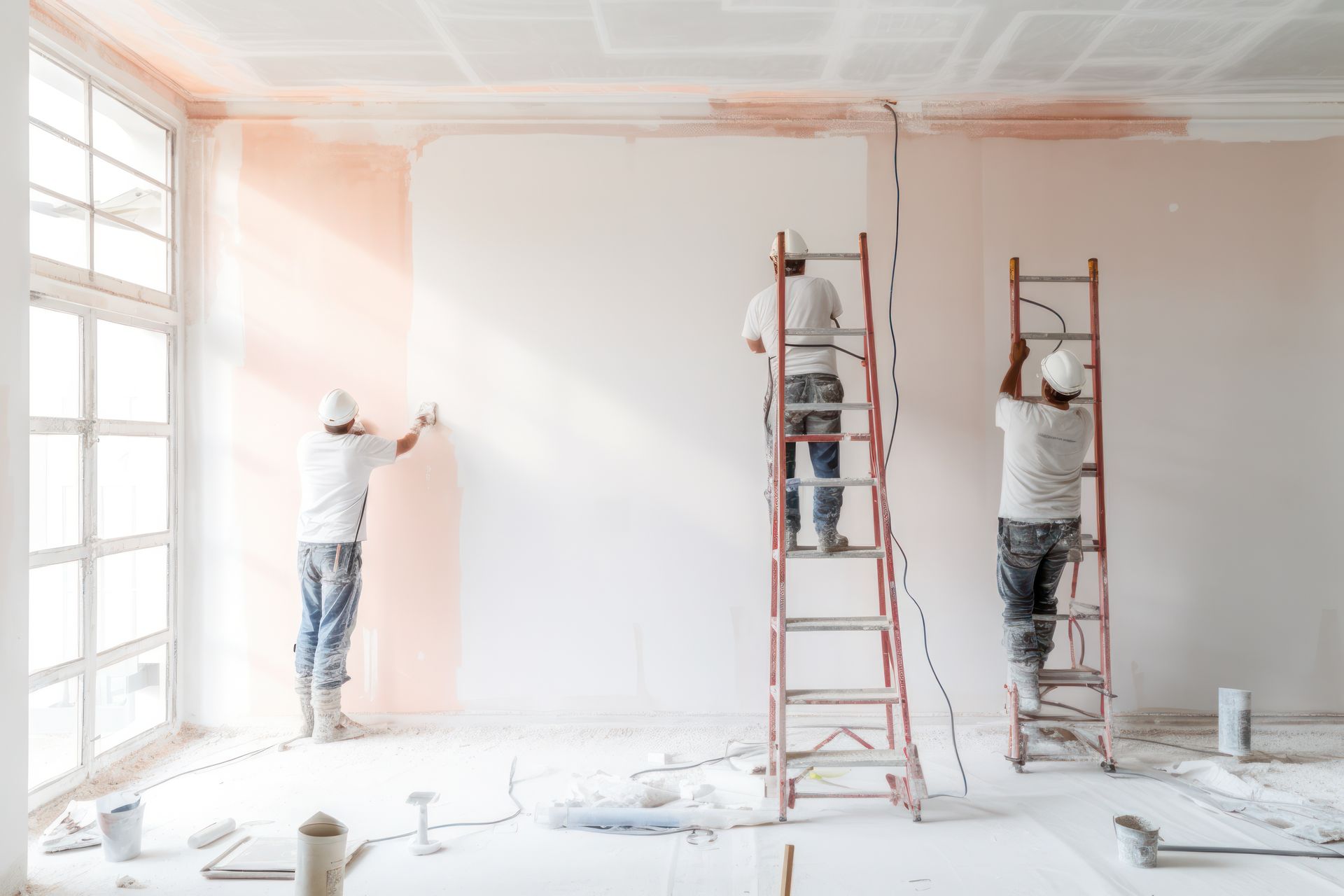
Application Techniques for Commercial Durability require specialized methods that ensure coating systems achieve their intended performance characteristics under demanding service conditions. Spray application often provides optimal coverage and film thickness consistency for large commercial areas, though this requires extensive masking and protection to prevent overspray contamination. Back-rolling after spraying helps ensure adequate penetration into surface textures and provides the film thickness necessary for durability in high-wear areas.
Multiple thin coats typically provide superior performance compared to fewer thick coats, allowing each layer to cure properly while building up the total film thickness necessary for commercial durability. Professional applicators understand these technique requirements and possess the experience necessary to achieve consistent, high-quality results across large commercial areas. Quality control during application includes monitoring environmental conditions, film thickness, and coverage rates to ensure coating systems perform to their full potential.
Specialized equipment for commercial applications includes high-volume spray systems, specialized brushes and rollers designed for commercial coatings, and environmental monitoring equipment that ensures optimal application conditions. This equipment represents significant investment that only makes sense for contractors specializing in commercial work, making professional application essential for achieving optimal results with advanced commercial coating systems.
Color Selection and Maintenance Considerations for commercial environments require balancing aesthetic preferences with practical performance requirements. Light colors generally show dirt and scuff marks more readily than darker colors but provide better light reflection that can reduce lighting costs in commercial spaces. Medium-toned colors often provide the best compromise between appearance maintenance and practical durability, hiding normal wear while maintaining professional appearance over extended periods.
Color psychology in commercial environments affects employee productivity, tenant satisfaction, and visitor comfort in ways that influence building success beyond simple aesthetic appeal. Understanding how different colors perform under both natural and artificial lighting helps ensure that color choices support business objectives while providing the durability necessary for commercial applications. Professional color consultation can help balance these competing requirements while ensuring color choices support long-term building performance.
Maintenance planning for commercial coating systems should anticipate the accelerated wear patterns common in high-traffic environments while establishing cleaning and touch-up protocols that maintain attractive appearance between major repainting cycles. Commercial cleaning products and techniques can affect coating longevity, making it important to specify cleaning compatibility during coating selection. Understanding these maintenance requirements helps establish realistic service life expectations and maintenance budgets for commercial coating investments.
Quality Assurance and Performance Monitoring for commercial coating projects requires more stringent standards than residential applications because the demanding service conditions will quickly reveal any application deficiencies or material inadequacies. Professional commercial contractors provide detailed specifications, application procedures, and quality control measures that ensure coating systems perform to their intended standards. Warranty coverage for commercial applications often includes specific performance criteria related to durability, cleanability, and appearance retention that provide building owners with confidence in their coating investment.
Long-term performance documentation helps track coating system performance over time and provides valuable information for future coating decisions. Understanding how different coating systems perform under specific building conditions enables informed decisions about maintenance timing and coating selection for future projects.
Cost-Benefit Analysis for commercial coating investments must consider not only initial material and application costs but also long-term maintenance requirements, tenant satisfaction impacts, and building value considerations. While high-performance commercial coatings cost significantly more than standard architectural paints, their superior durability and appearance retention often provide better total cost of ownership through reduced maintenance frequency and improved tenant retention.
The productivity impact of frequent repainting cycles in commercial buildings extends beyond direct costs to include tenant disruption, lost rental income, and the cumulative effect of ongoing maintenance activities on building operations. Investing in durable commercial coating systems that extend service life and reduce maintenance frequency often proves economical despite higher initial costs.
When your Dallas office building demands commercial coating systems that can withstand heavy traffic while maintaining professional appearance under Texas's challenging conditions, Hutch'N'Son Painting brings over 35 years of expertise in advanced commercial coating technologies and application techniques. Since 1985, we've been helping Dallas-Fort Worth area property managers and building owners protect their investments with high-performance coating systems specifically designed for demanding commercial environments. Our team understands the unique challenges of high-traffic Dallas office buildings and has the knowledge, materials, and equipment necessary to deliver coating solutions that provide exceptional durability while maintaining the professional appearance essential for commercial success. Contact Hutch'N'Son Painting today to discover how advanced commercial coating systems and professional application can protect your building investment while enhancing tenant satisfaction and property value in Dallas's competitive commercial market.