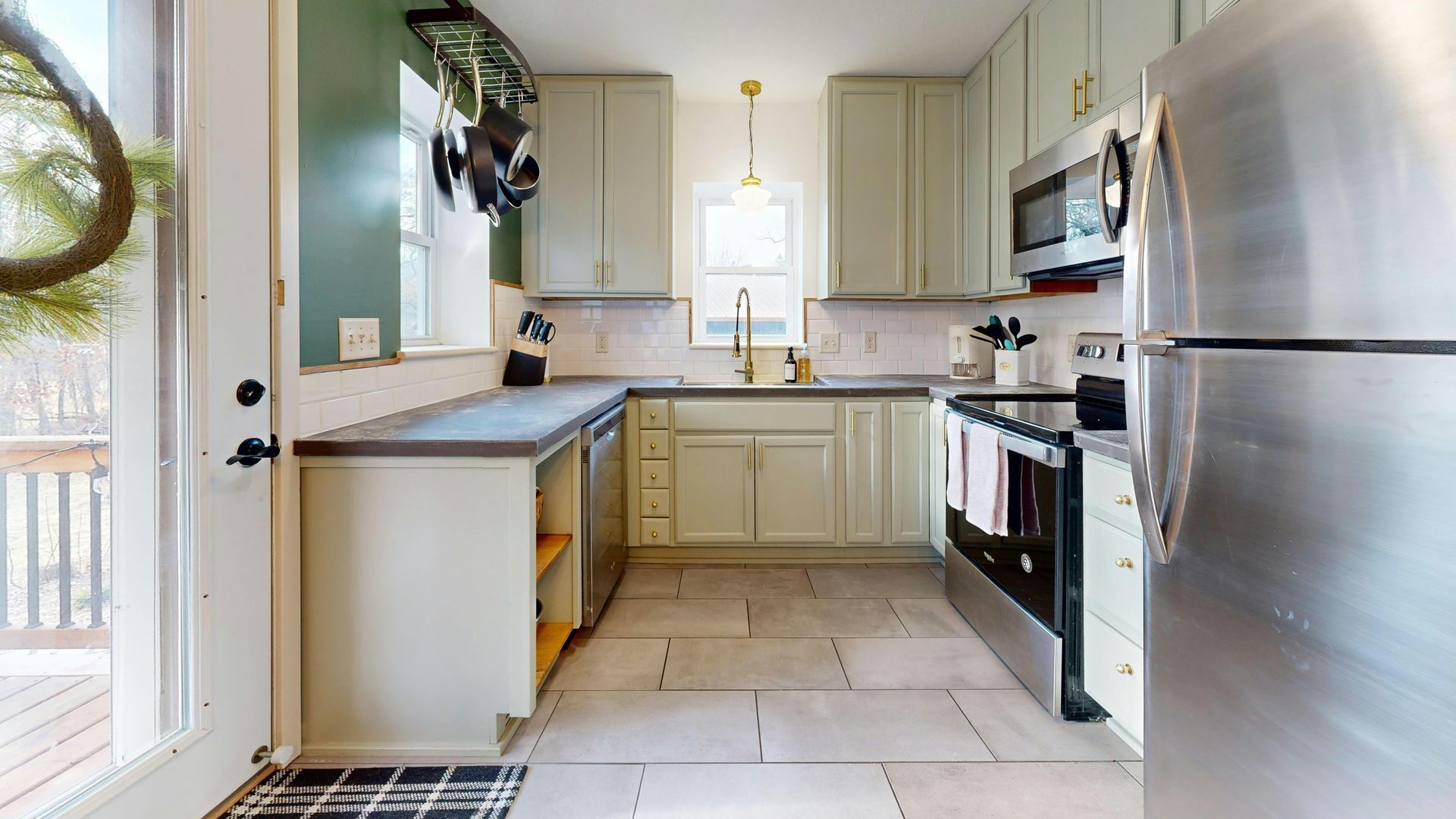
Front Door Colors That Boost Your Allen Home's Value and Curb Appeal

Nikolle Bauder • September 19, 2025

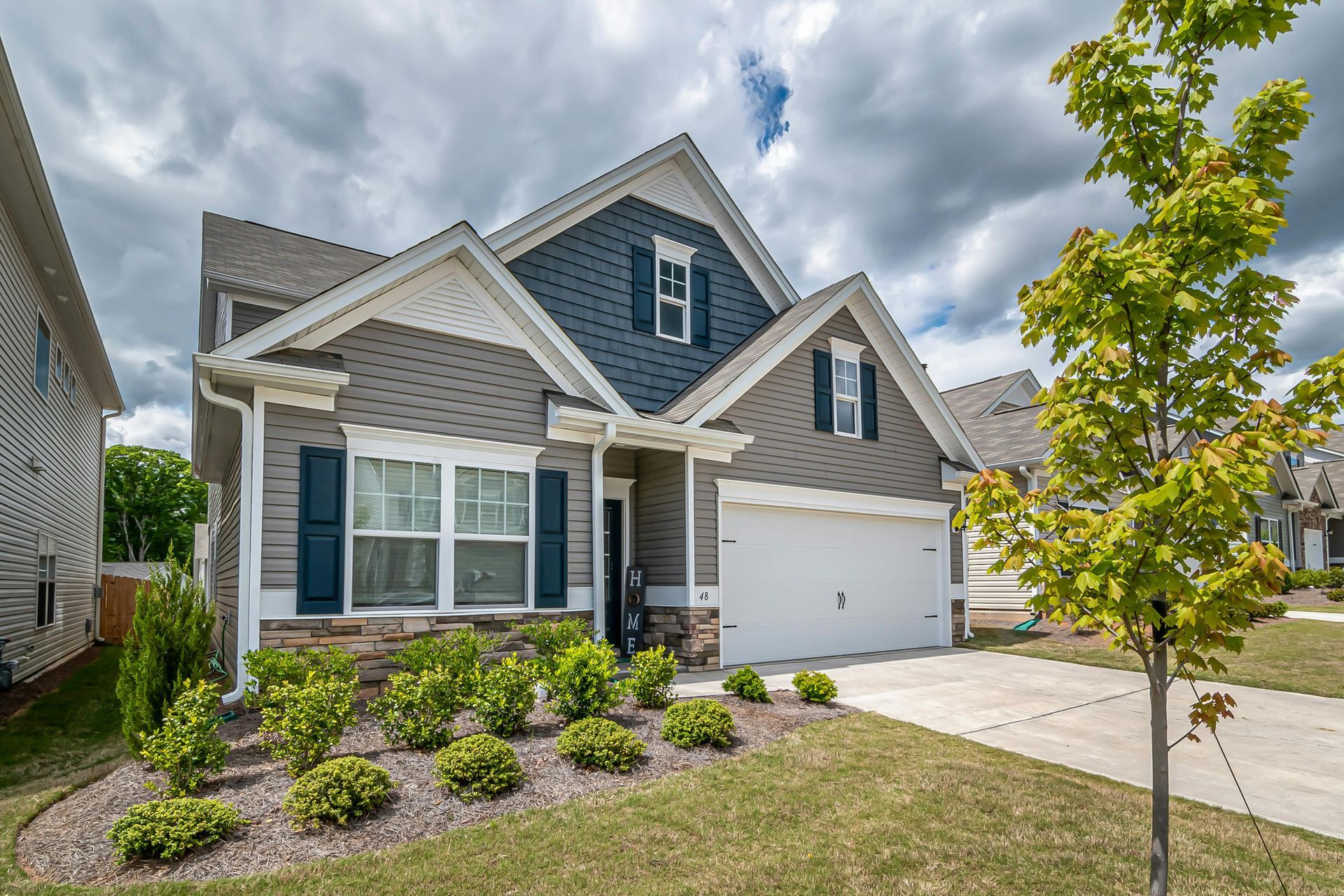
Your front door serves as the gateway to your home's personality, and in Allen, Texas, where neighborhoods blend traditional charm with modern sophistication, choosing the right front door color can significantly impact both your home's curb appeal and market value. Real estate experts consistently report that homes with thoughtfully chosen front door colors sell faster and often for higher prices than those with faded, outdated, or poorly chosen entrance colors.


Understanding Allen's Unique Aesthetic Landscape

Allen's housing market reflects a diverse architectural tapestry, from established neighborhoods with brick colonial homes to newer developments featuring contemporary farmhouse and transitional styles. The city's aesthetic is influenced by North Texas's natural palette of warm earth tones, complemented by the lush greenery that thrives in the region's climate. When selecting a front door color, homeowners must consider not only their personal preferences but also how their choice harmonizes with Allen's distinctive character and their specific neighborhood's architectural vernacular.


The city's real estate market has shown remarkable resilience, with home values continuing to appreciate steadily. This growth makes strategic home improvements, particularly those that enhance curb appeal, increasingly valuable investments. A well-chosen front door color can provide an immediate return on investment while positioning your home advantageously should you decide to sell.


Colors That Command Premium Value

Classic Navy Blue emerges as the undisputed champion for adding value to Allen homes. This sophisticated shade works exceptionally well with the brick exteriors common throughout the city, creating a timeless appeal that resonates with buyers across generations. Navy blue suggests stability, trustworthiness, and refined taste – qualities that translate directly into perceived home value. When paired with crisp white trim and complemented by well-maintained landscaping, a navy front door can increase a home's perceived value by as much as $1,500 according to recent market analysis.


Rich Forest Green represents another high-value choice, particularly effective for homes nestled among Allen's mature tree-lined streets. This color connects seamlessly with the natural environment while maintaining sophistication. Forest green doors photograph beautifully for real estate listings and create an inviting entrance that suggests the home is well-cared for and thoughtfully maintained. The color works particularly well with stone accents and neutral siding, combinations frequently found in Allen's premium neighborhoods.


Sophisticated Charcoal Gray has gained significant traction in Allen's modern and transitional homes. This contemporary choice offers the visual weight and presence of black while providing more versatility and warmth. Charcoal gray doors complement both warm and cool color palettes, making them an excellent choice for homeowners who may want to update other exterior elements in the future without requiring a door repaint.


Regional Color Considerations for North Texas

The intense Texas sun demands special consideration when selecting front door colors. Lighter shades reflect heat more effectively, potentially extending the life of your door's finish and reducing cooling costs during Allen's notoriously hot summers. However, this doesn't mean you must sacrifice bold, value-adding colors. Strategic color choices combined with proper preparation and high-quality exterior paint can ensure your investment maintains its appeal year-round.


Warm Terra Cotta works exceptionally well in Allen's climate, complementing the earthy tones of local stone and brick while remaining practical under intense UV exposure. This color choice creates a welcoming, southwestern-influenced aesthetic that feels both contemporary and timeless. Terra cotta doors pair beautifully with cream or white exteriors and can make smaller homes appear more substantial and valuable.


Deep Burgundy offers another climate-conscious option that adds significant visual impact. This rich, wine-inspired hue suggests luxury and sophistication while remaining practical for Texas weather conditions. Burgundy doors work particularly well with gray or beige exteriors and can transform an ordinary entrance into a statement-making focal point that potential buyers remember long after viewing your home.


Neighborhood-Specific Strategies

Allen's established neighborhoods near the historic downtown area often feature traditional architectural styles that benefit from classic color choices. In these areas, Benjamin Moore's Hale Navy or Sherwin Williams' Naval create immediate curb appeal while respecting the neighborhood's character. These deep, saturated blues suggest heritage and permanence, qualities that resonate strongly with buyers seeking established community feel.


Newer developments in Allen's growing suburban areas offer more flexibility for contemporary color choices. Here, sophisticated blacks like Benjamin Moore's Black Beauty or warm grays such as Sherwin Williams' Urbane Bronze can create striking, modern appeal that sets your home apart from builder-standard beige and white schemes.


For homes in Allen's family-friendly neighborhoods near top-rated schools, colors that suggest warmth and welcome while maintaining broad appeal perform best. Classic red shades like Benjamin Moore's Heritage Red create inviting entrances that suggest the home is perfect for families, while deep hunter greens communicate stability and environmental consciousness.


The Psychology of Color in Home Sales

Understanding color psychology can provide significant advantages when positioning your Allen home for sale. Blue tones universally suggest trustworthiness and stability, making potential buyers feel more confident about their investment. Green shades connect with nature and suggest the home is environmentally conscious and well-maintained. Rich neutrals like deep grays and sophisticated blacks suggest contemporary style and timeless appeal.


Conversely, certain colors can negatively impact perceived value. Bright yellows and oranges, while cheerful, can appear dated quickly and may not photograph well for online listings. Purple shades, regardless of sophistication, tend to be polarizing and can reduce your potential buyer pool. Pure white doors, while safe, often fail to create the memorable impression necessary to stand out in Allen's competitive market.


Technical Considerations for Long-Term Value

Investing in premium exterior paint formulated specifically for Texas conditions ensures your front door color choice maintains its value-enhancing impact over time. Sherwin Williams' Duration Exterior and Benjamin Moore's Aura Exterior offer superior fade resistance and durability, crucial factors given Allen's climate extremes.


Proper surface preparation cannot be overstated in achieving professional results that truly enhance home value. This includes thorough cleaning, strategic sanding, appropriate priming, and applying multiple thin coats rather than single thick applications. The difference between amateur and professional-quality results is immediately apparent to potential buyers and can significantly impact their willingness to pay premium prices.


Coordinating Elements for Maximum Impact

A value-enhancing front door color must coordinate seamlessly with existing exterior elements while creating opportunities for complementary improvements. Hardware finishes should complement your chosen color – brushed nickel and matte black work with most color choices, while brass accents pair beautifully with navy, green, and burgundy doors.


Lighting fixtures present another opportunity to enhance your front door's impact. Contemporary fixtures in coordinating finishes can modernize traditional homes, while classic lantern-style fixtures can add character to newer constructions. The key is ensuring all elements work together to create a cohesive, intentional appearance that suggests the home is well-maintained and thoughtfully designed.


Landscaping plays a crucial supporting role in showcasing your front door color choice. Strategic plantings can frame your entrance and provide color contrast that makes your door color pop. For example, white flowering shrubs beautifully complement dark door colors, while deep green foliage provides excellent backdrop for lighter door shades.


Seasonal Considerations and Maintenance

Allen's distinct seasons offer opportunities to enhance your front door's appeal through strategic seasonal decorating that complements your chosen color. Navy and forest green doors provide excellent backdrops for fall decorations, while charcoal gray and burgundy doors showcase spring flowers beautifully.


Regular maintenance preserves your investment and ensures your front door continues adding value over time. Annual cleaning, prompt touch-up of any chips or scratches, and periodic inspection of hardware keeps your entrance looking fresh and well-maintained. These small efforts signal to potential buyers that the entire home receives similar attention to detail.


Making Your Decision

Selecting the perfect front door color for your Allen home requires balancing personal preferences with market realities, neighborhood character, and practical considerations. The most successful choices typically fall within the sophisticated, classic palette while incorporating enough personality to create memorable first impressions.


Consider testing your top color choices by painting large poster boards and observing how they look at different times of day and in various lighting conditions. This investment in time and small amount of paint can prevent costly mistakes and ensure your final choice truly enhances your home's value and appeal.


Ready to boost your Allen home's curb appeal and market value with a professionally painted front door? The experienced team at Hutch'N'Son Painting understands the unique considerations of North Texas homes and can help you select and apply the perfect front door color for your specific situation. With over 35 years of experience serving the Dallas-Fort Worth area, including Allen, our skilled professionals ensure your investment in front door painting delivers maximum impact and lasting value. Contact Hutch'N'Son Painting today for a consultation and discover how the right front door color can transform your home's appeal while adding measurable value to your most important investment.
By Nikolle Bauder December 1, 2025
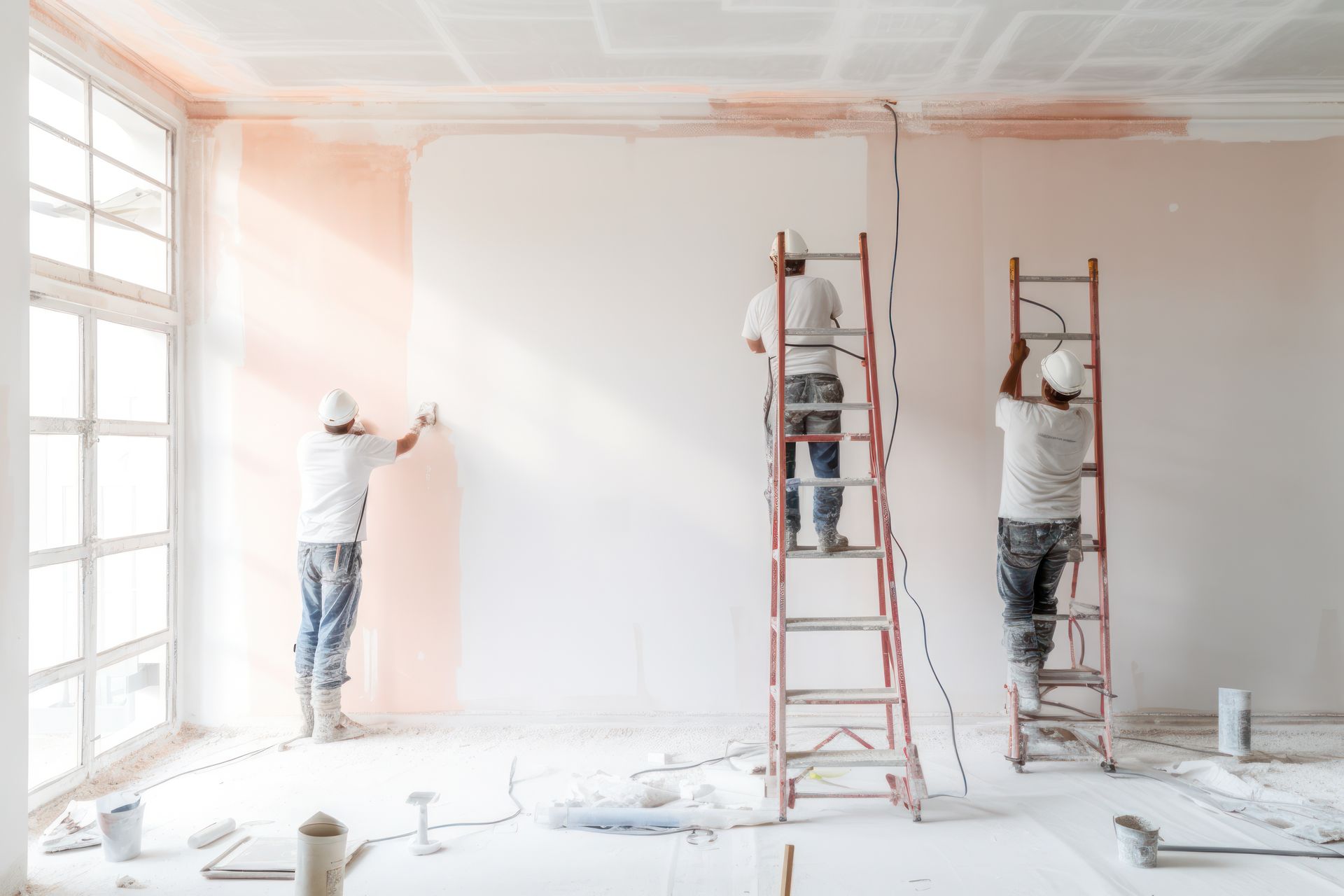
Dallas office buildings face some of the most demanding conditions in commercial real estate, where hundreds or thousands of employees, clients, and visitors pass through corridors, lobbies, and workspaces daily while the building envelope battles Texas's notorious weather extremes, intense UV radiation, and rapid temperature fluctuations that can destroy standard paint systems within months rather than years. The challenge for building owners and property managers lies in selecting commercial painting systems that can withstand this dual assault of heavy human traffic and harsh environmental conditions while maintaining the professional appearance essential for attracting and retaining quality tenants in Dallas's competitive commercial market. Understanding how different coating technologies, surface preparation methods, and application techniques perform under these demanding conditions enables property managers to make informed decisions about paint investments that protect their buildings while minimizing the frequent repainting cycles that disrupt business operations and strain maintenance budgets. High-Traffic Performance Requirements in Dallas commercial buildings demand paint systems engineered to withstand abuse that would quickly destroy residential-grade products. The constant contact from hands, briefcases, cleaning carts, and maintenance equipment creates wear patterns that require coatings with exceptional abrasion resistance and cleanability. Standard latex paints that perform adequately in low-traffic residential applications often fail within months in high-traffic commercial environments, developing scuff marks, hand prints, and wear patterns that make buildings appear neglected despite recent painting. Professional-grade commercial coatings incorporate specialized resins, hardeners, and additives that create film hardness and durability characteristics specifically designed for commercial abuse levels. The psychological impact of paint condition in commercial environments affects tenant satisfaction, employee morale, and visitor impressions in ways that directly impact building value and leasing success. Worn, scuffed, or dirty-looking paint creates negative first impressions that can influence business decisions, while crisp, clean, durable paint systems project professionalism and attention to detail that supports premium rental rates. This makes the selection of appropriate commercial coating systems a critical business decision rather than simply a maintenance expense, with long-term implications for building performance and profitability. Advanced Coating Technologies for commercial applications have evolved significantly beyond traditional architectural paints to include specialized formulations designed specifically for demanding commercial environments. Acrylic enamel systems provide superior hardness and chemical resistance compared to standard latex paints, creating surfaces that withstand repeated cleaning with commercial-grade detergents and sanitizers without losing their protective properties or attractive appearance. These systems cure to form hard, durable surfaces that resist scuffing, marking, and wear while maintaining excellent cleanability essential for maintaining sanitary conditions in office environments. Polyurethane-fortified coatings represent another advancement in commercial painting technology, incorporating urethane chemistry that provides exceptional durability and chemical resistance. These systems work particularly well in areas subjected to heavy wear, such as elevator lobbies, stairwells, and high-traffic corridors where standard paints fail rapidly. The increased cost of these advanced systems often proves economical over time due to reduced maintenance frequency and superior long-term appearance retention that eliminates the need for frequent touch-ups and repainting cycles. Ceramic-enhanced paint formulations incorporate microscopic ceramic particles that provide additional hardness and abrasion resistance while maintaining the application characteristics of conventional paints. These systems work particularly well in Dallas office buildings where the combination of heavy traffic and intense cleaning requirements demands maximum durability. The ceramic additives create micro-hard surfaces that resist wear while providing easy cleaning that maintains attractive appearance with minimal maintenance effort. Dallas Climate Considerations significantly impact commercial coating selection because the city's extreme weather conditions create thermal stress, UV degradation, and moisture cycling that can cause inferior paint systems to fail prematurely. The intense Texas sun creates surface temperatures that can exceed 150 degrees Fahrenheit on south and west-facing exterior walls, requiring coating systems with exceptional thermal stability and UV resistance. Interior spaces in older Dallas office buildings may lack adequate HVAC systems, creating temperature and humidity fluctuations that stress paint systems beyond the capabilities of standard architectural coatings. The rapid temperature changes common during Dallas weather events can cause building materials to expand and contract at different rates, creating stress on paint films that can cause cracking, peeling, and adhesion failures. Commercial coating systems designed for Texas conditions incorporate enhanced flexibility and thermal stability that accommodate building movement without compromising protective properties or attractive appearance. Understanding these climate-specific requirements helps ensure that commercial painting investments deliver maximum return through extended service life and reduced maintenance requirements. Moisture management becomes particularly important in Dallas office buildings where inadequate vapor barriers, roof leaks, and HVAC condensation can create humidity levels that cause standard paint systems to fail through blistering, peeling, and mold growth. Commercial-grade moisture-resistant coatings include specialized binders and additives that maintain adhesion and protective properties even under challenging moisture conditions while providing resistance to biological growth that can compromise both appearance and indoor air quality. Surface Preparation Requirements for commercial coating applications exceed those necessary for residential painting because the demanding service conditions will quickly exploit any preparation shortcuts or surface contamination. The accumulated dirt, grease, and biological contamination common in older Dallas office buildings must be completely removed through appropriate cleaning methods before any coating application. Power washing, chemical cleaning, and manual scrubbing may all be necessary to achieve the surface cleanliness standards required for durable commercial coating adhesion. Existing paint condition assessment becomes critical for commercial projects because coating over failing or incompatible previous systems can result in widespread adhesion failures that require complete removal and reapplication. Many older Dallas office buildings have multiple layers of paint applied over decades, creating complex substrate conditions that require professional evaluation to determine appropriate preparation and coating strategies. Spot testing and adhesion testing help identify potential compatibility issues before they become expensive project failures. Primer selection for commercial applications requires understanding that the primer provides the foundation for all subsequent coating performance, making it essential to choose products specifically designed for commercial service conditions. High-performance bonding primers ensure adequate adhesion to challenging substrates, while stain-blocking primers prevent discoloration from substrate bleeding or previous staining. The increased cost of commercial-grade primers proves worthwhile through improved coating system performance and extended service life. Application Techniques for Commercial Durability require specialized methods that ensure coating systems achieve their intended performance characteristics under demanding service conditions. Spray application often provides optimal coverage and film thickness consistency for large commercial areas, though this requires extensive masking and protection to prevent overspray contamination. Back-rolling after spraying helps ensure adequate penetration into surface textures and provides the film thickness necessary for durability in high-wear areas. Multiple thin coats typically provide superior performance compared to fewer thick coats, allowing each layer to cure properly while building up the total film thickness necessary for commercial durability. Professional applicators understand these technique requirements and possess the experience necessary to achieve consistent, high-quality results across large commercial areas. Quality control during application includes monitoring environmental conditions, film thickness, and coverage rates to ensure coating systems perform to their full potential. Specialized equipment for commercial applications includes high-volume spray systems, specialized brushes and rollers designed for commercial coatings, and environmental monitoring equipment that ensures optimal application conditions. This equipment represents significant investment that only makes sense for contractors specializing in commercial work, making professional application essential for achieving optimal results with advanced commercial coating systems. Color Selection and Maintenance Considerations for commercial environments require balancing aesthetic preferences with practical performance requirements. Light colors generally show dirt and scuff marks more readily than darker colors but provide better light reflection that can reduce lighting costs in commercial spaces. Medium-toned colors often provide the best compromise between appearance maintenance and practical durability, hiding normal wear while maintaining professional appearance over extended periods. Color psychology in commercial environments affects employee productivity, tenant satisfaction, and visitor comfort in ways that influence building success beyond simple aesthetic appeal. Understanding how different colors perform under both natural and artificial lighting helps ensure that color choices support business objectives while providing the durability necessary for commercial applications. Professional color consultation can help balance these competing requirements while ensuring color choices support long-term building performance. Maintenance planning for commercial coating systems should anticipate the accelerated wear patterns common in high-traffic environments while establishing cleaning and touch-up protocols that maintain attractive appearance between major repainting cycles. Commercial cleaning products and techniques can affect coating longevity, making it important to specify cleaning compatibility during coating selection. Understanding these maintenance requirements helps establish realistic service life expectations and maintenance budgets for commercial coating investments. Quality Assurance and Performance Monitoring for commercial coating projects requires more stringent standards than residential applications because the demanding service conditions will quickly reveal any application deficiencies or material inadequacies. Professional commercial contractors provide detailed specifications, application procedures, and quality control measures that ensure coating systems perform to their intended standards. Warranty coverage for commercial applications often includes specific performance criteria related to durability, cleanability, and appearance retention that provide building owners with confidence in their coating investment. Long-term performance documentation helps track coating system performance over time and provides valuable information for future coating decisions. Understanding how different coating systems perform under specific building conditions enables informed decisions about maintenance timing and coating selection for future projects. Cost-Benefit Analysis for commercial coating investments must consider not only initial material and application costs but also long-term maintenance requirements, tenant satisfaction impacts, and building value considerations. While high-performance commercial coatings cost significantly more than standard architectural paints, their superior durability and appearance retention often provide better total cost of ownership through reduced maintenance frequency and improved tenant retention. The productivity impact of frequent repainting cycles in commercial buildings extends beyond direct costs to include tenant disruption, lost rental income, and the cumulative effect of ongoing maintenance activities on building operations. Investing in durable commercial coating systems that extend service life and reduce maintenance frequency often proves economical despite higher initial costs. When your Dallas office building demands commercial coating systems that can withstand heavy traffic while maintaining professional appearance under Texas's challenging conditions, Hutch'N'Son Painting brings over 35 years of expertise in advanced commercial coating technologies and application techniques. Since 1985, we've been helping Dallas-Fort Worth area property managers and building owners protect their investments with high-performance coating systems specifically designed for demanding commercial environments. Our team understands the unique challenges of high-traffic Dallas office buildings and has the knowledge, materials, and equipment necessary to deliver coating solutions that provide exceptional durability while maintaining the professional appearance essential for commercial success. Contact Hutch'N'Son Painting today to discover how advanced commercial coating systems and professional application can protect your building investment while enhancing tenant satisfaction and property value in Dallas's competitive commercial market.
By Nikolle Bauder November 21, 2025
Texas homes, from vintage cottages in East Dallas to modern townhomes in Plano, often feature smaller rooms that reflect efficient design principles and practical living considerations, but these intimate spaces can sometimes feel cramped or confining when not properly designed and painted. The challenge of making small rooms appear larger becomes particularly important in the Dallas-Fort Worth area, where real estate values make every square foot precious and where families need their homes to feel spacious and welcoming despite modest square footage. Understanding how paint color selection can dramatically alter the perceived size of rooms—combined with Texas-specific lighting conditions, architectural styles, and lifestyle preferences—empowers homeowners to transform their small spaces into rooms that feel open, airy, and significantly larger than their actual dimensions. The science behind color's psychological and optical effects on spatial perception, when properly applied to Texas homes and climate conditions, can create remarkable transformations that enhance both daily living enjoyment and property value. The Science of Color and Spatial Perception reveals why certain paint colors can make rooms appear dramatically larger while others make the same spaces feel cramped and confining. Light colors reflect more visible light than dark colors, creating the optical illusion that walls are farther away than they actually are by maximizing the amount of light bouncing around the room. This light reflection principle becomes particularly important in Texas homes where intense exterior sunlight can create stark contrasts between bright outdoor light and interior spaces, making proper color selection crucial for maintaining visual continuity and spatial flow. When walls reflect maximum light, they appear to recede visually, while dark colors absorb light and seem to advance toward viewers, making rooms feel smaller and more enclosed. The psychological effects of color also influence how we perceive space, with cool colors like blues and greens naturally suggesting distance and tranquility, while warm colors like reds and oranges create feelings of intimacy that can make spaces feel more confining. However, Texas homeowners must balance these psychological effects with practical considerations like heat reflection and the intense UV exposure that characterizes living in the Lone Star State. Understanding how different paint colors interact with Texas's unique lighting conditions helps ensure that color choices designed to expand space perception also work harmoniously with the region's climate and lifestyle requirements. Texas Lighting Considerations add complexity to color selection for small rooms because the state's intense, clear sunlight creates lighting conditions that can dramatically affect how paint colors appear throughout the day. The brilliant white light common on clear Texas days can wash out subtle colors and make pale walls appear stark or cold, while the warm golden light during sunrise and sunset can transform cool colors into entirely different appearances. Small rooms with limited natural light face different challenges than those with abundant windows, requiring color strategies that maximize available light while creating the illusion of space even when natural light is minimal. North-facing rooms in Texas homes receive consistently cool, indirect light that makes warm white and cream colors appear more flattering than pure whites, which can seem stark and unwelcoming. South-facing rooms flooded with intense Texas sunlight can handle cooler whites and even soft grays without appearing cold, while east and west-facing rooms experience dramatic light changes throughout the day that require colors capable of looking attractive under both warm morning light and cooler afternoon conditions. Understanding these directional lighting patterns helps ensure that paint choices designed to maximize space perception remain attractive throughout Texas's long, bright days. The Perfect White Paint Selection for Texas Rooms involves understanding that not all white paints perform equally under the state's intense lighting conditions and diverse architectural styles. Pure bright whites can appear harsh and glaring under Texas sunlight, creating visual discomfort that actually makes rooms feel smaller despite their light-reflecting properties. Instead, warm whites with subtle undertones create more welcoming environments that maintain the space-expanding benefits of white paint while providing visual warmth that feels comfortable under intense Texas lighting. Benjamin Moore's Cloud White and Sherwin Williams' Pure White represent excellent choices for Texas homes because they provide clean, bright appearance without the stark coldness that can make small rooms feel institutional rather than inviting. These colors work particularly well in rooms with abundant natural light where their subtle warmth prevents the harsh appearance that pure whites can create under intense Texas sun. For rooms with limited natural light, slightly warmer whites like Benjamin Moore's White Dove or Sherwin Williams' Creamy offer better performance by reflecting available light while maintaining visual warmth even under artificial lighting conditions. Off-white and cream colors provide another excellent option for small Texas rooms, offering the space-expanding benefits of light colors while providing enough warmth to feel inviting rather than stark. Colors like Benjamin Moore's Moonlight or Sherwin Williams' Natural Linen work particularly well in Texas homes because they complement the warm earth tones common in regional architecture while reflecting sufficient light to make rooms appear larger. These colors also photograph beautifully for social media and real estate purposes, an increasingly important consideration for Texas homeowners. Strategic Cool Color Applications can create remarkable space-expanding effects in small Texas rooms when properly selected and applied. Soft blues and greens naturally suggest sky and water, creating psychological associations with open, expansive spaces that can make even tiny rooms feel more spacious. However, cool colors must be carefully chosen for Texas conditions to ensure they don't appear cold or unwelcoming under the state's intense lighting conditions. Cool colors with warm undertones work best in Texas homes, providing the space-expanding benefits of cool colors while maintaining visual warmth appropriate to the regional climate and lifestyle. Pale blues like Benjamin Moore's Healing Aloe or Sherwin Williams' Sea Salt can create serene, spa-like atmospheres in small Texas bedrooms or bathrooms while making these intimate spaces feel larger and more open. These colors work particularly well in rooms with limited natural light because they maintain their appealing character under artificial lighting while reflecting enough light to enhance space perception. Soft greens like Benjamin Moore's Guilford Green or Sherwin Williams' Retreat provide similar space-expanding benefits while connecting interior spaces to Texas's abundant outdoor greenery. Gray color families have become increasingly popular for small Texas rooms because they provide sophisticated neutrals that work well with both warm and cool accent colors while offering excellent space-expanding properties. Light grays reflect substantial amounts of light while providing more visual depth and interest than pure whites, making them excellent choices for homeowners who want space-expanding benefits without the stark appearance that whites can create. The key lies in selecting grays with appropriate undertones that complement Texas's warm climate and architectural styles. Warm grays with beige undertones work particularly well in Texas homes because they coordinate naturally with the limestone, sandstone, and brick materials common in regional architecture while providing the light-reflecting properties necessary for space expansion. Colors like Benjamin Moore's Classic Gray or Sherwin Williams' Agreeable Gray offer sophisticated neutrals that make rooms appear larger while maintaining warmth and visual interest that pure whites lack. These colors also provide excellent backgrounds for artwork and furnishings, allowing small rooms to feel both spacious and well-decorated. Unexpected Color Choices for Space Expansion include some surprising options that can make small Texas rooms feel dramatically larger when properly applied. Soft lavenders and pale pinks can create space-expanding effects similar to blues while providing unique character that sets rooms apart from predictable white and gray schemes. These colors work particularly well in Texas homes because they complement the warm lighting common throughout the state while maintaining the cool color characteristics that suggest spaciousness and tranquility. Pale yellow colors can create space-expanding effects while bringing warmth and energy to small Texas rooms, though these colors require careful selection to avoid appearing too intense under bright Texas sunlight. Soft, buttery yellows like Benjamin Moore's Hawthorne Yellow or Sherwin Williams' Buttercup work well in rooms with limited natural light, where they provide warmth and light reflection without becoming overwhelming. These colors can make small kitchens and breakfast nooks feel more spacious while creating cheerful, welcoming atmospheres appropriate to Texas lifestyle preferences. Monochromatic Color Strategies offer sophisticated approaches to space expansion that work particularly well in small Texas rooms where architectural details and natural light patterns provide visual interest. Using varying shades of the same color family creates visual continuity that eliminates the visual barriers created by contrasting colors, making rooms appear larger and more flowing. This approach works exceptionally well with whites, grays, and beiges that complement Texas architectural styles while maximizing light reflection and space perception. Ceiling Color Considerations become particularly important in small Texas rooms where standard ceiling heights can make spaces feel more confined. Painting ceilings the same color as walls eliminates visual boundaries and creates the illusion of higher ceilings and more spacious rooms. This technique works especially well with light colors that reflect maximum light while creating seamless transitions between vertical and horizontal surfaces. For rooms with interesting ceiling details or architectural features, using slightly lighter shades of wall colors maintains visual continuity while highlighting attractive ceiling elements. Trim and Accent Color Strategies can enhance space-expanding paint schemes when properly coordinated with main wall colors. Using trim colors that closely match wall colors eliminates visual interruptions that can make rooms appear choppy and smaller, while maintaining slight contrast provides definition without creating harsh boundaries. White or cream trim with off-white walls, or light gray trim with slightly darker gray walls, creates sophisticated schemes that maximize space perception while maintaining architectural definition. Bold accent walls can actually make small rooms feel larger when properly executed, contrary to traditional advice that suggests avoiding dark colors in small spaces. Using darker accent colors on the wall farthest from the room's entrance creates depth perception that makes rooms appear longer and more spacious. This technique works particularly well in small Texas living rooms or bedrooms where the accent wall can highlight architectural features like fireplaces or headboard walls while creating visual depth that enhances space perception. Lighting Coordination with paint color selection becomes crucial for maximizing space-expanding effects in small Texas rooms. Layered lighting approaches using ambient, task, and accent lighting help eliminate shadows and dark corners that can make rooms feel smaller, while highlighting the light-reflecting properties of space-expanding paint colors. LED lighting systems offer opportunities to adjust color temperature throughout the day, complementing paint colors that look attractive under both warm and cool lighting conditions common in Texas homes. Natural light maximization through window treatments that allow maximum light penetration while providing necessary privacy helps space-expanding paint colors perform to their full potential. Light-filtering window treatments maintain privacy while allowing maximum natural light to enter rooms and reflect off light-colored walls, creating the bright, airy atmosphere that makes small spaces feel larger. Coordinating window treatment colors with wall colors creates visual continuity that further enhances space perception. Furniture and Decor Integration with space-expanding paint colors requires understanding how different colors interact with furnishings and accessories to create cohesive schemes that maintain the illusion of spaciousness. Light-colored furniture against light-colored walls can create seamless, flowing appearances that make rooms feel larger, while strategic use of mirrors and glass elements can amplify the light-reflecting properties of space-expanding paint colors. Understanding these relationships helps ensure that paint color investments deliver maximum space-enhancing benefits. Maintenance and Longevity Considerations for light-colored paints in Texas homes include understanding that space-expanding colors often require more frequent cleaning and touch-ups than darker colors that hide dirt and wear more effectively. However, the psychological and optical benefits of space-expanding colors usually justify the additional maintenance requirements, particularly in small rooms where the perception of spaciousness significantly impacts daily living comfort and enjoyment. Professional Application Techniques for space-expanding paint colors include understanding how proper surface preparation and application methods affect light reflection and color uniformity that determine space-perception benefits. High-quality primers and paints applied with professional techniques ensure that space-expanding colors perform to their full potential, while poor application can actually make rooms feel smaller due to uneven coverage or color inconsistencies that create visual distractions. When you're ready to transform your small Texas rooms with paint colors specifically chosen and professionally applied to create maximum space-expanding impact, Hutch'N'Son Painting brings over 35 years of experience in understanding how color, light, and Texas conditions work together to create beautiful, spacious-feeling interiors. Our team understands the lighting challenges and lifestyle requirements of Texas homes and can help you select and apply paint colors that make your small rooms feel dramatically larger while maintaining the warmth and character that make houses feel like homes. We work with premium paint systems and professional application techniques that ensure your space-expanding color investments deliver maximum impact and lasting beauty. Contact Hutch'N'Son Painting today to discover how strategic color selection and professional application can help your small Texas rooms achieve their full potential for spaciousness, beauty, and comfortable living.
By Nikolle Bauder November 17, 2025
Planning a painting project in the Dallas-Fort Worth metroplex requires far more weather awareness than homeowners in most other regions need to consider, as North Texas's notorious climate extremes and unpredictable weather patterns can transform a straightforward two-week project into a months-long ordeal fraught with delays, quality compromises, and budget overruns. The region's unique position at the intersection of multiple climate zones creates meteorological chaos that can see temperatures swing 40 degrees in a single day, afternoon thunderstorms materialize from clear skies with little warning, and seasonal weather patterns that defy traditional painting season expectations. Understanding how Dallas-Fort Worth's specific weather characteristics affect every aspect of paint project timing—from initial planning and surface preparation through application and curing—empowers homeowners to make informed decisions about project scheduling while setting realistic expectations for completion timelines that account for the region's challenging and often unpredictable environmental conditions. The DFW Climate Complexity Challenge stems from the region's geographic position where continental air masses from the north collide with humid subtropical air from the Gulf of Mexico, creating atmospheric instability that produces some of the most unpredictable weather patterns in the continental United States. This meteorological volatility means that weather forecasts beyond three to five days prove notoriously unreliable, making long-range project planning extremely difficult for painting contractors and frustrating for homeowners expecting firm completion dates. The jet stream's position relative to North Texas shifts seasonally and even daily, bringing arctic air masses during winter months that can drop temperatures 50 degrees overnight, while summer heat domes can create weeks of triple-digit temperatures that make quality paint application impossible during daylight hours. Spring tornado season adds another layer of complexity to DFW painting timelines, as severe weather systems can develop rapidly and create conditions that halt all outdoor work for days at a time. The hail that frequently accompanies these systems can damage freshly painted surfaces, requiring complete reapplication and extending project timelines indefinitely. Even when severe weather doesn't directly impact work sites, the rapid barometric pressure changes that precede storm systems can affect paint curing processes and create adhesion problems that become apparent only after weather systems pass and normal atmospheric conditions return. Temperature Extremes and Daily Variations create unique scheduling challenges that force painting contractors to work around narrow windows of acceptable conditions rather than the predictable daily schedules possible in more stable climates. Summer temperatures that regularly exceed 100 degrees make afternoon painting impossible, while the region's famous "blue northers" can drop temperatures 30-40 degrees in hours, creating conditions where morning paint application becomes impossible by afternoon due to rapid temperature changes that prevent proper curing. These extreme daily temperature variations are particularly problematic during spring and fall transition periods when mild morning conditions can deteriorate into challenging afternoon weather that halts productive work. The urban heat island effect created by Dallas-Fort Worth's extensive development amplifies these temperature challenges, with concrete and asphalt surfaces creating microclimates that can be 10-15 degrees hotter than surrounding areas. This means that surface temperatures on south and west-facing building walls can exceed 150 degrees during summer afternoons, making paint application impossible even when air temperatures might seem marginal. Professional painting contractors must constantly monitor surface temperatures rather than relying on ambient air temperature readings, adding complexity to scheduling decisions and often requiring work stoppages during periods when weather conditions seem acceptable to untrained observers. Humidity Fluctuations and Moisture Management present ongoing challenges for DFW painting projects as the region experiences dramatic humidity swings that can range from desert-dry conditions during winter months to tropical-level moisture during summer storm periods. These rapid humidity changes affect paint curing processes, with high humidity slowing paint drying and potentially causing adhesion problems, while extremely low humidity can cause paint to cure too quickly and develop surface defects. The timing of humidity changes often proves as disruptive as the extremes themselves, as paint applied during acceptable conditions can experience curing problems when humidity levels change dramatically during the critical drying period. The moisture content of building materials becomes a significant factor in DFW painting timelines, as the region's periodic heavy rainfall events can saturate exterior surfaces and require extended drying periods before paint application can resume. Unlike regions with consistent precipitation patterns, Dallas-Fort Worth can experience months of drought followed by torrential rainfall that requires complete project rescheduling. Wood siding and trim can remain too wet for proper paint adhesion for days or even weeks after heavy rainfall, particularly during cooler months when evaporation rates slow significantly. Wind Patterns and Airborne Contamination create additional timing challenges specific to the Dallas-Fort Worth area, where consistent winds from the south can carry dust, pollen, and airborne contaminants that settle on freshly painted surfaces and compromise finish quality. The region's position in a major flight path also means that jet exhaust and industrial pollution can contaminate paint surfaces during application, requiring careful timing of outdoor work to avoid periods of heavy air traffic or unfavorable wind patterns that carry contamination from industrial areas. Spring pollen seasons create particularly challenging conditions where airborne particles can ruin paint finishes within hours of application, forcing contractors to carefully time projects around pollen forecasts and weather patterns that affect pollen distribution. Construction activity throughout the rapidly growing DFW metroplex creates ongoing contamination challenges that affect paint application timing, as dust from nearby construction sites can travel miles and settle on freshly painted surfaces. The timing of construction activity often follows seasonal patterns that can conflict with optimal painting weather, creating situations where ideal weather conditions coincide with maximum airborne contamination from construction dust. Professional painting contractors must monitor not only weather conditions but also construction activity in surrounding areas to time projects for minimal contamination exposure. Seasonal Weather Pattern Disruptions in Dallas-Fort Worth make traditional painting season guidelines largely irrelevant, as the region can experience ideal painting weather during typically challenging months and impossible conditions during traditionally favorable periods. Winter warm spells can create excellent painting conditions in January or February, while late spring severe weather can make April and May problematic despite their reputation as ideal painting months. The key to successful project timing lies in understanding that DFW weather patterns are inherently unpredictable and that flexibility in scheduling becomes more important than adherence to traditional seasonal painting recommendations. The region's famous ice storms can occur with little warning during winter months, creating conditions that not only halt painting work but can damage surfaces and equipment, requiring additional time for cleanup and repair before projects can resume. These ice events can last for days and often coincide with power outages that affect both work site conditions and material storage, potentially extending project delays well beyond the actual weather event duration. Understanding the potential for these disruptive weather events helps set realistic timeline expectations and emphasizes the importance of flexible scheduling approaches. UV Intensity and Surface Temperature Management become critical factors in DFW painting timelines due to the region's high elevation and typically clear atmospheric conditions that allow intense ultraviolet radiation to reach painted surfaces. This UV intensity can cause paint to cure too rapidly on sun-exposed surfaces, creating application challenges that require careful timing of work to avoid peak UV exposure periods. The combination of high temperatures and intense UV radiation during summer months creates narrow windows of acceptable painting conditions that may last only a few hours per day, significantly extending project timelines compared to regions with more moderate conditions. Professional painting contractors in Dallas-Fort Worth often adopt split-schedule approaches that involve early morning and evening work periods separated by midday breaks when conditions become unsuitable for quality application. This scheduling approach helps maintain productivity while ensuring quality results, but it necessarily extends project timelines compared to regions where continuous daily work schedules are feasible throughout most painting seasons. Project Planning Strategies for DFW Conditions require understanding that traditional project timeline estimates based on square footage and crew size often prove inadequate for the region's challenging weather conditions. Successful project planning must include significant buffer time for weather delays and may require flexible scheduling approaches that can adapt to rapidly changing conditions. The most successful projects often involve multiple shorter work periods rather than continuous completion schedules, allowing contractors to work during optimal conditions while avoiding forced work during marginal weather that compromises quality. Material storage and job site preparation become more complex in DFW conditions, as extreme temperatures can affect paint viscosity and performance characteristics, requiring climate-controlled storage and careful material management that adds time and complexity to project logistics. Paint that performs well during moderate conditions may require special handling or different formulations entirely during extreme weather periods, necessitating inventory management strategies that account for seasonal weather patterns and their effects on material performance. Communication and Expectation Management become critical components of successful DFW painting projects, as weather-related delays can frustrate homeowners who aren't familiar with the region's challenging conditions or who have moved from areas with more predictable weather patterns. Professional contractors must educate clients about realistic timeline expectations while maintaining flexibility to adjust schedules based on actual weather conditions rather than forecasted conditions that often prove inaccurate in the volatile DFW climate. Quality control procedures must account for weather-related variables that can affect paint performance and appearance, requiring more frequent monitoring and adjustment of application techniques as conditions change throughout individual work days. Painters working in DFW conditions develop expertise in recognizing how different weather variables affect paint application and adjust their techniques accordingly, but this adaptive approach necessarily requires more time than painting under consistent conditions. Technology and Weather Monitoring Tools have become essential for professional painting contractors working in DFW conditions, with sophisticated weather tracking systems providing detailed forecasts for specific geographic areas and surface-mounted temperature monitoring equipment helping painters make real-time decisions about application conditions. These technological tools enable contractors to maximize productive working time while ensuring quality standards are maintained, but they also add complexity to project planning and execution that affects timeline estimates and project costs. Advanced paint formulations designed specifically for challenging climate conditions can help mitigate some weather-related timeline challenges, though these specialized products often require different application techniques and curing times that must be factored into project planning. Understanding how different paint systems respond to DFW weather conditions helps contractors select materials that optimize both quality and efficiency under challenging environmental conditions. Long-term Planning and Maintenance Considerations must account for how DFW weather patterns affect not only initial painting timelines but also long-term paint performance and maintenance requirements. Paint systems that perform well under the region's extreme conditions often require different application approaches that may extend initial project timelines but provide superior long-term performance that reduces future maintenance requirements and associated timeline disruptions. Successful painting contractors in the Dallas-Fort Worth area develop relationships with clients based on understanding that weather-related delays are an inherent part of achieving quality results rather than contractor inefficiency or poor planning. This understanding helps maintain positive working relationships while ensuring that projects achieve their intended quality goals despite the challenging environmental conditions that characterize the region.  When you're ready to navigate the complex weather challenges that affect painting timelines throughout the Dallas-Fort Worth metroplex, Hutch'N'Son Painting brings over 35 years of experience in understanding and working with North Texas's demanding climate conditions. Our team has developed proven strategies for managing weather-related variables and setting realistic timeline expectations while maintaining the quality standards that have made us a trusted name throughout the region since 1985. We understand that DFW weather requires flexibility, expertise, and patience to achieve exceptional results, and we work closely with our clients to ensure they understand both the challenges and solutions that define successful painting projects in our unique climate. Contact Hutch'N'Son Painting today to discuss your project timeline needs and discover how our deep understanding of Dallas-Fort Worth weather patterns can help you plan your painting project for optimal results despite the challenges that North Texas weather inevitably presents.
Show More